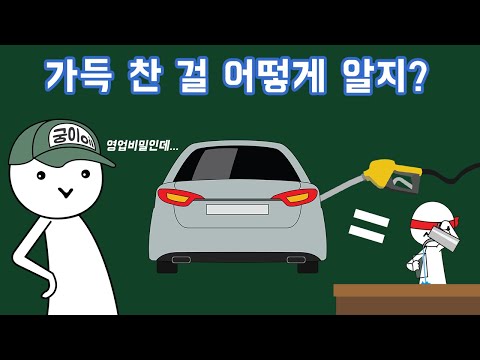
Vehicles such as cars need fuel to move, and getting that fuel means visiting a gas station. At a full-service station, a driver parks beside a pump and opens the fuel filler. An attendant then asks how much fuel the driver wants.
Because most people plan to keep using their car, they often ask for a full tank. The attendant puts the nozzle into the filler opening and goes about other tasks. Once the tank is full, the nozzle automatically stops dispensing fuel with a click.
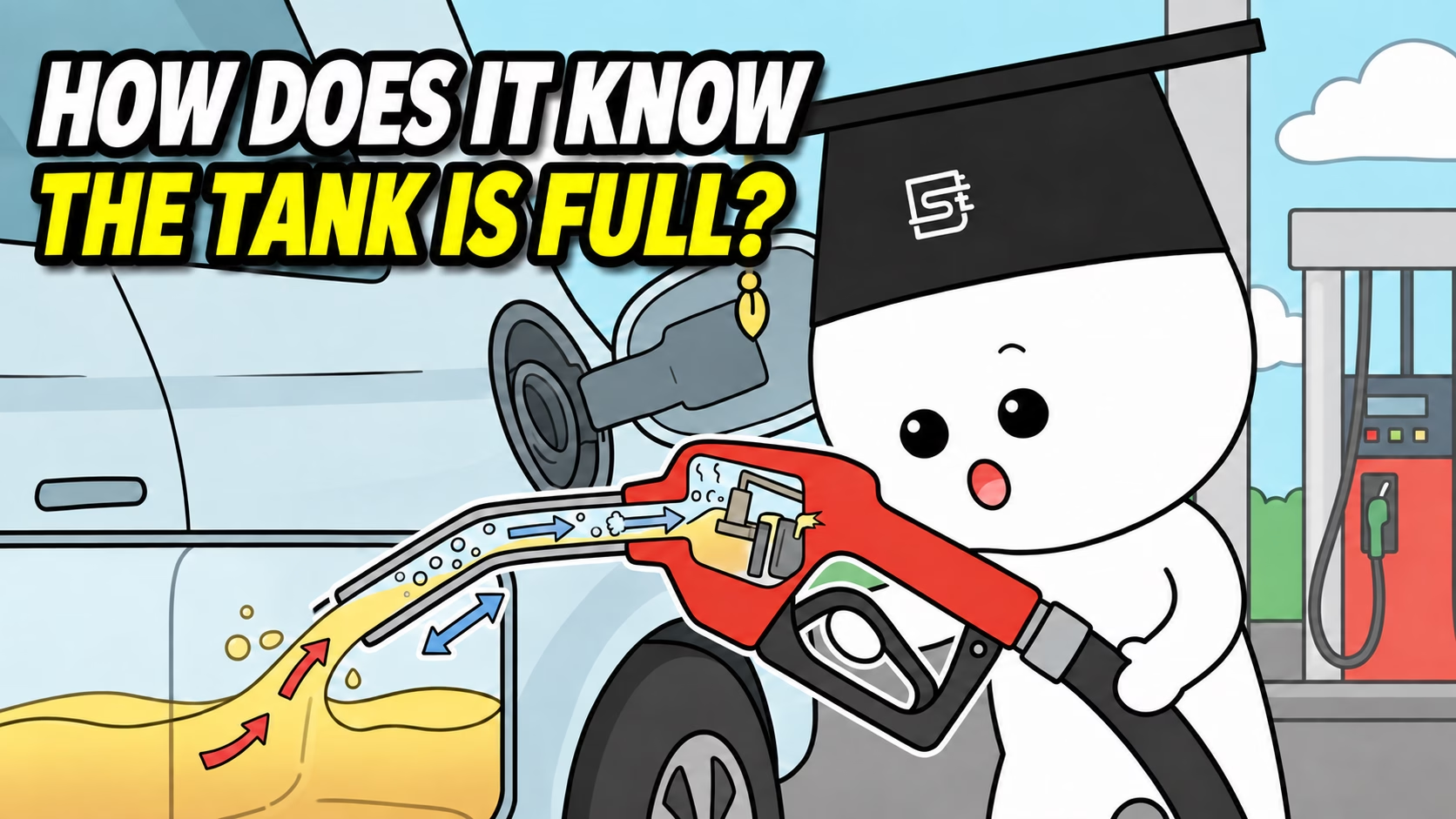
But how does the nozzle know the tank is full? It cannot know how much fuel is already inside—or can it somehow see into the tank? If we were asked to close our eyes and fill a glass with water, most of us would probably fail. Even a successful attempt would be largely a matter of luck.
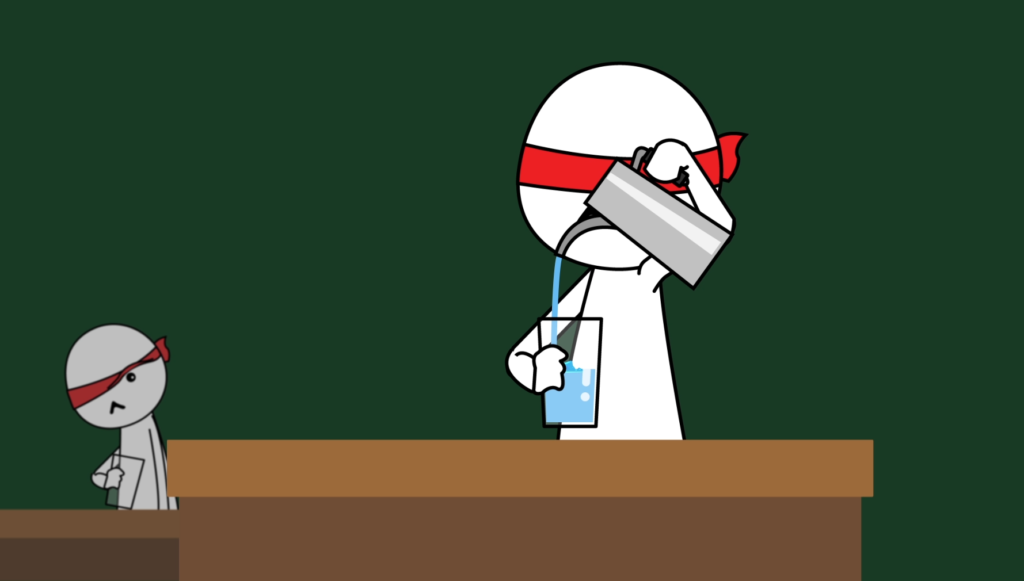
Filling a car’s fuel tank poses the same problem. Since fuel tanks do not all have the same capacity, the task would be even harder. Nor does connecting the nozzle activate some smart function that identifies the car. So what is the secret? A very simple principle is at work.
The two openings at the tip of the nozzle
The part of the pump that connects to the vehicle is called the fuel nozzle. Pulling its lever lets fuel flow. The long tube is the spout. Look closely at its tip and you will find two openings: a large one and a small one. One opening should be enough to deliver fuel, so why are there two?
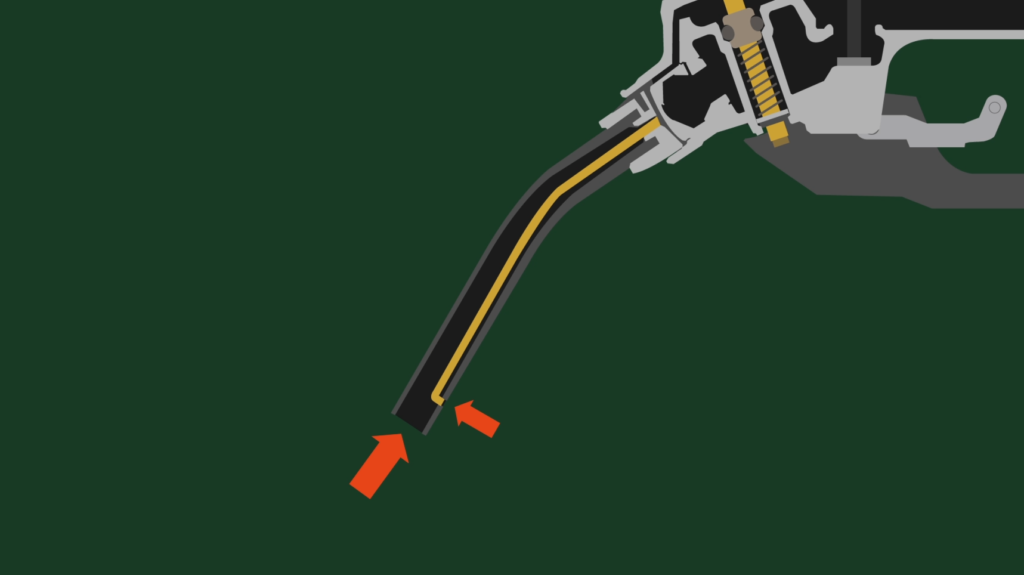
Fuel flows out through one opening, while the small opening draws in air. That air mixes with the fuel leaving the nozzle and is discharged back into the vehicle’s tank.
How the nozzle stops when the tank is full
As fuel from the nozzle fills the tank, it eventually reaches the small opening at the tip of the spout. Once fuel covers that opening, air can no longer be drawn in, so fuel is drawn in instead. The fuel entering the small opening applies pressure to the upper part of the nozzle’s diaphragm, extending the diaphragm spring.
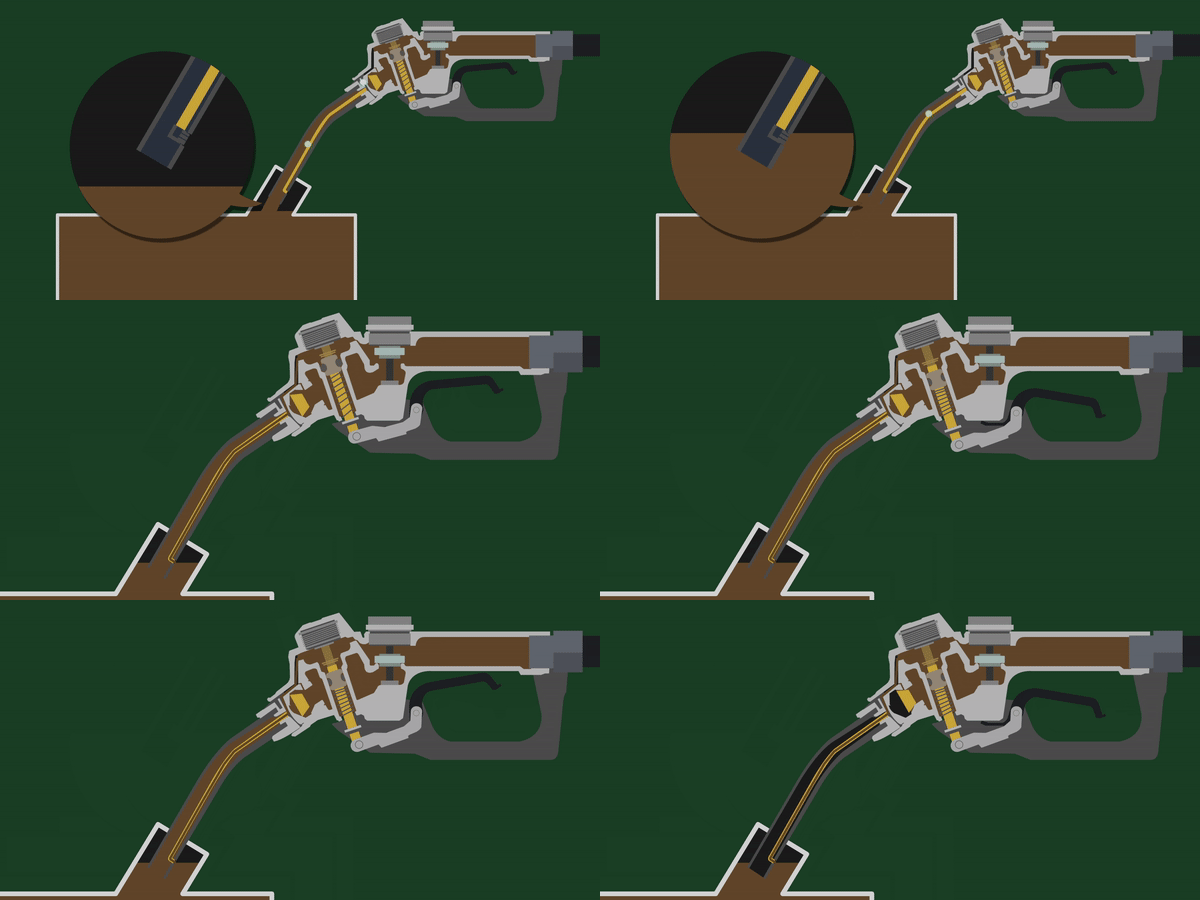
As the spring extends, the nozzle’s retracting lever is momentarily pulled upward and then drops with a click, while the shutoff valve blocks the fuel supply. In other words, simply adding another opening allows the nozzle to detect a full tank. Sometimes, however, fuel flowing back toward the nozzle can make it stop before the tank is actually full.
A full tank or less fuel: what about fuel economy?
Another common question is whether it is better to fill the tank completely or put in less fuel. A heavier car uses more fuel, so reducing its weight by carrying less fuel can improve fuel economy. If fuel economy is the only consideration, that reasoning is correct.

However, filling the tank can help prevent the fuel pump motor inside it from overheating, so a full tank has an advantage from a maintenance perspective. Above all, fuel economy is affected more by the driver’s habits. It is therefore better to develop fuel-efficient driving habits or reduce weight by removing unnecessary objects from the car. Has that answered your question?
Copyright. 사물궁이 잡학지식. All rights reserved
Read the original Korean article · More articles in English
Watch the original Samulgoongi video below. Turn on CC, then choose English (United States) under Settings → Subtitles/CC.