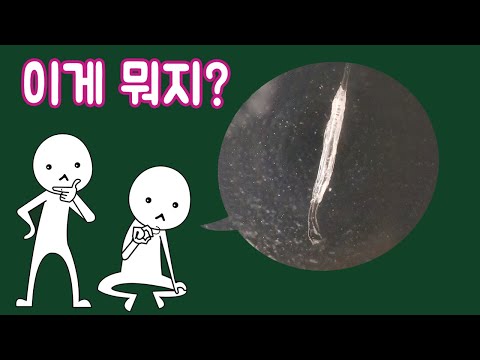
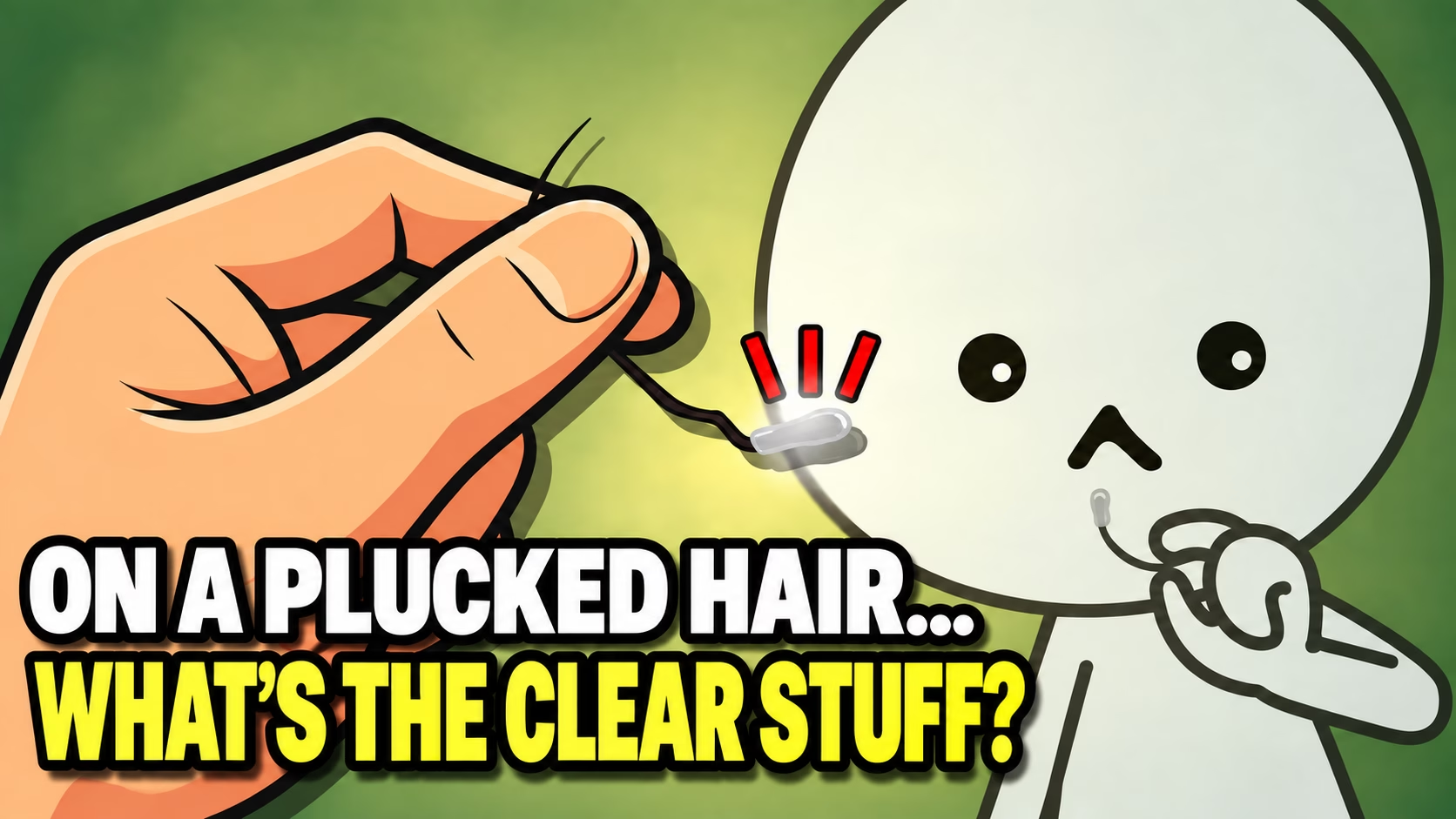
If you examine the root end of a few plucked hairs, you may notice a transparent, jelly-like substance wrapped around the end of some of them. It can be pulled off the hair quite easily. What exactly is it?
People responding to this question suggested all kinds of possibilities: the hair root, a follicle, sebum, a lump of protein, scalp tissue, nutrients or DNA. None appeared to be the answer. The substance is called a hair cast.
To understand why it appears on a plucked hair, it helps to look at how hair develops. Along the way, we can also answer some other frequently asked questions about hair.
The growth, regression and resting phases
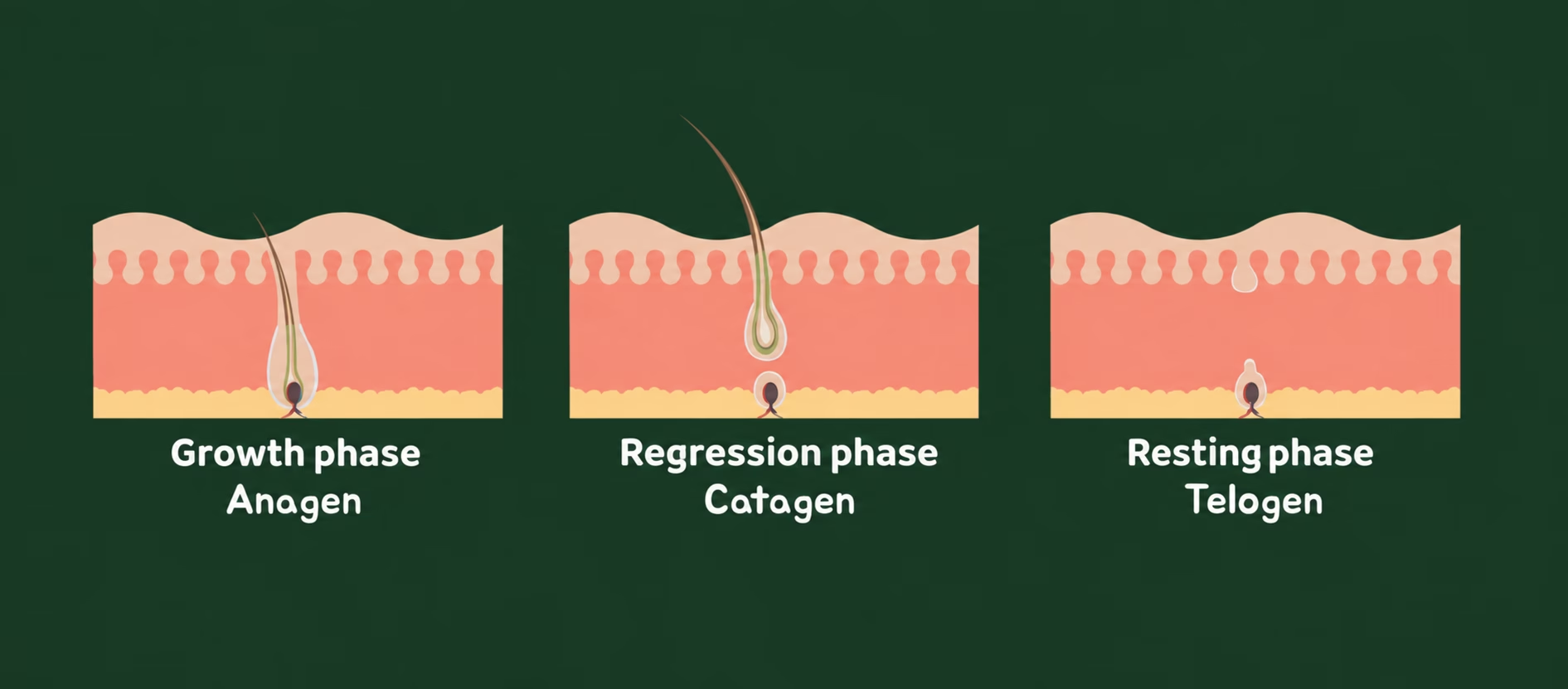
Hair goes through a three-stage cycle: anagen, catagen and telogen. In anagen, cells in the hair root divide actively and the hair grows. In catagen, the root gradually moves up toward the epidermis. In telogen, the hair falls out; below it, the hair bulb joins with the hair papilla to produce a new hair.
Eyebrow length, gray hair and thicker-looking stubble
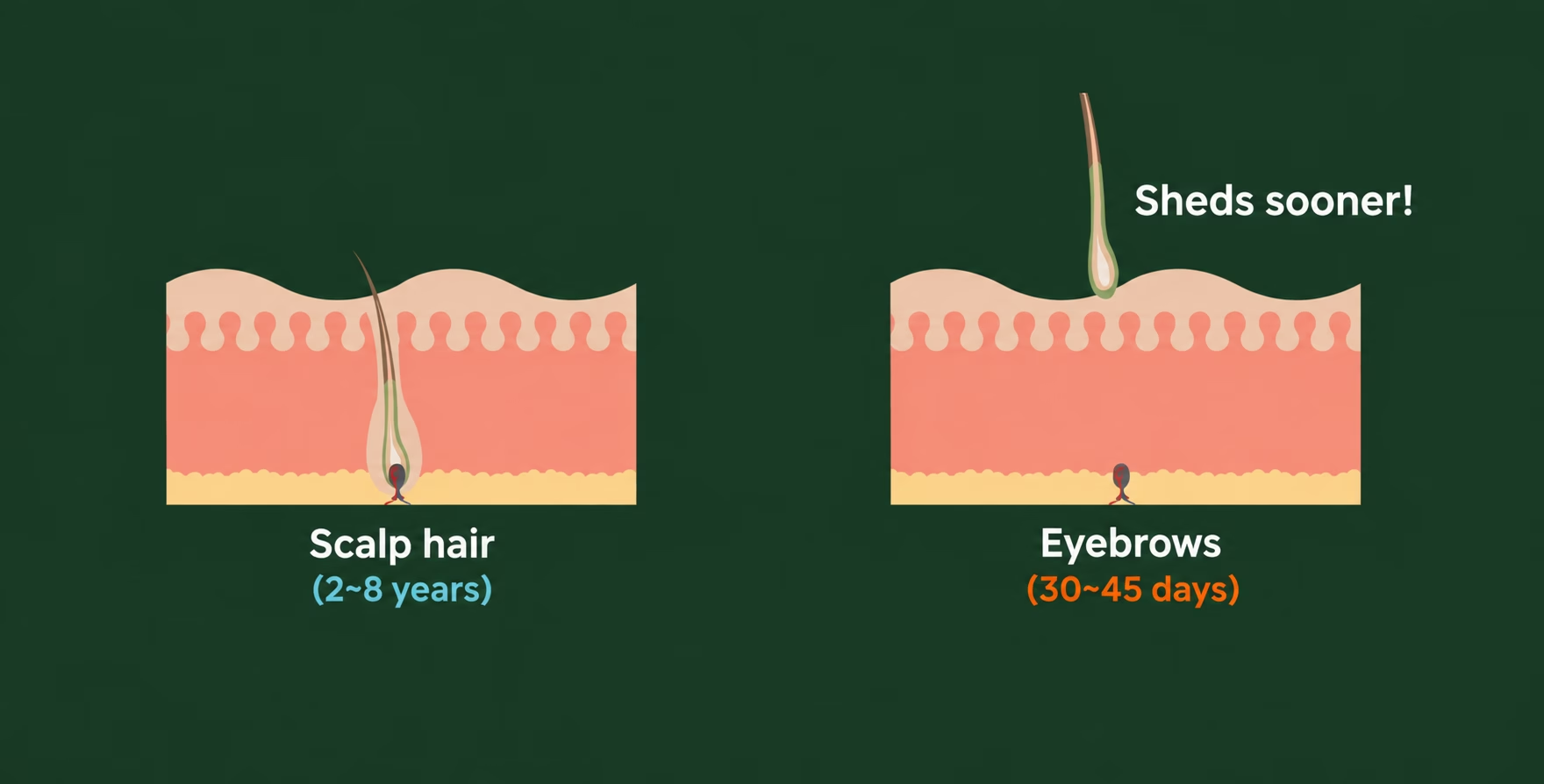
That is a brief overview of hair development. One common question is why eyebrows do not seem to keep growing. The answer is that eyebrow hairs have a short growth phase. Hair also turns white with age because less melanin pigment is produced during the growth phase.
Another question is why hair seems to grow back thicker after it is shaved. Unless the root is pulled out, shaving does not cause any special change in the hair itself. The thicker cross-section left by the cut simply makes it look that way.
Hair follicles, roots and bulbs
Now that we have covered those questions and the hair cycle, the next step is to understand the structure of a hair. Terms such as hair, follicle, bulb, root and shaft can be confusing. Distinguishing them clearly is essential to answering our main question.
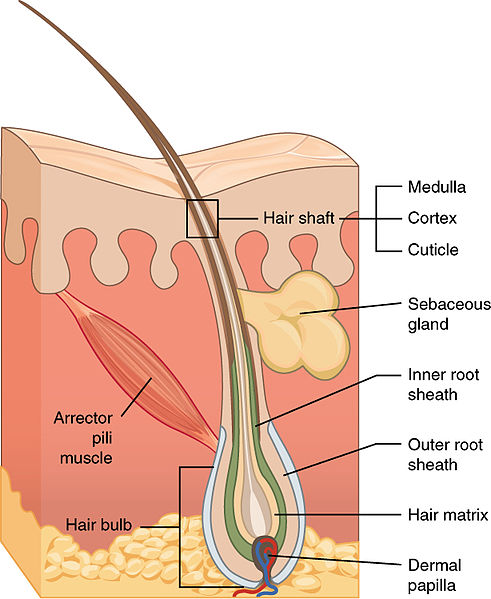
Hair starts in a follicle, a skin organ that produces hair. It forms where the epidermis—the skin’s epithelial tissue—dips into the tissue beneath. The part of the hair inside the skin is the hair root; the part outside is the hair shaft. The follicle surrounds and protects the entire root.
The lower part of the follicle surrounds the hair bulb, and the hair papilla lies outside the bulb. The papilla contains many blood vessels that supply nutrients for forming new cells. The germinal matrix covering the papilla receives those nutrients and actively divides its cells, allowing the hair to grow.
The inner and outer root sheaths
Two more structures are important: the inner root sheath and outer root sheath, both parts of the follicle. The inner portion is called the inner root sheath and the outer portion the outer root sheath. They are formed by cell division near the hair bulb and move upward as the hair grows.
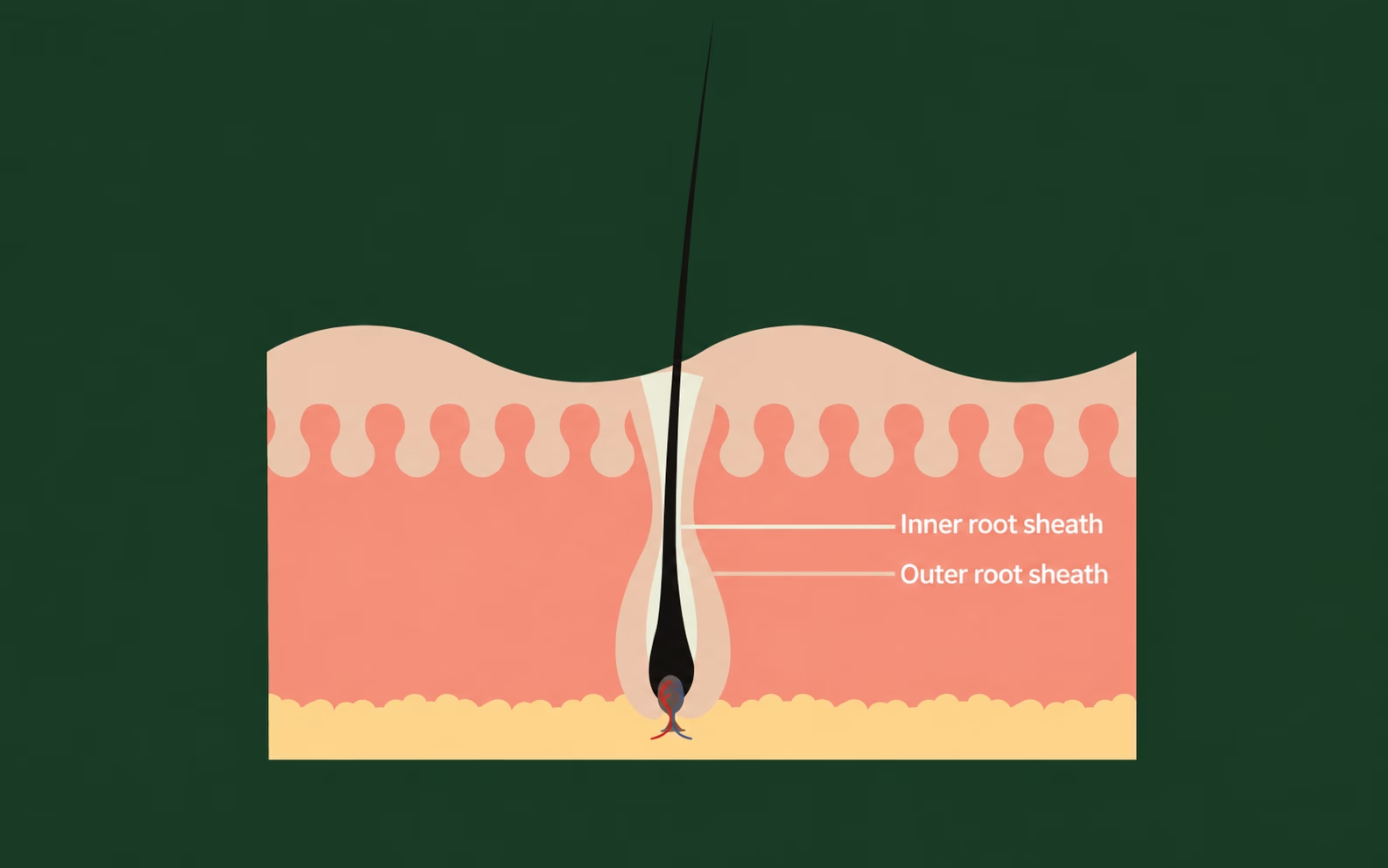
They help the root move upward until the hair has fully keratinized—the process in which surface cells form a horny layer—and enters its resting phase. When the hair reaches the epidermis and falls out, the root sheaths become dandruff and shed from the scalp. But what happens if a hair is deliberately plucked before it has fully keratinized and shed naturally?
The transparent material on a plucked hair
It comes out while it is still growing. The transparent material is part of the inner and outer root sheaths. Because it has not yet been shed as dandruff, its presence means the hair was still in its growth phase.
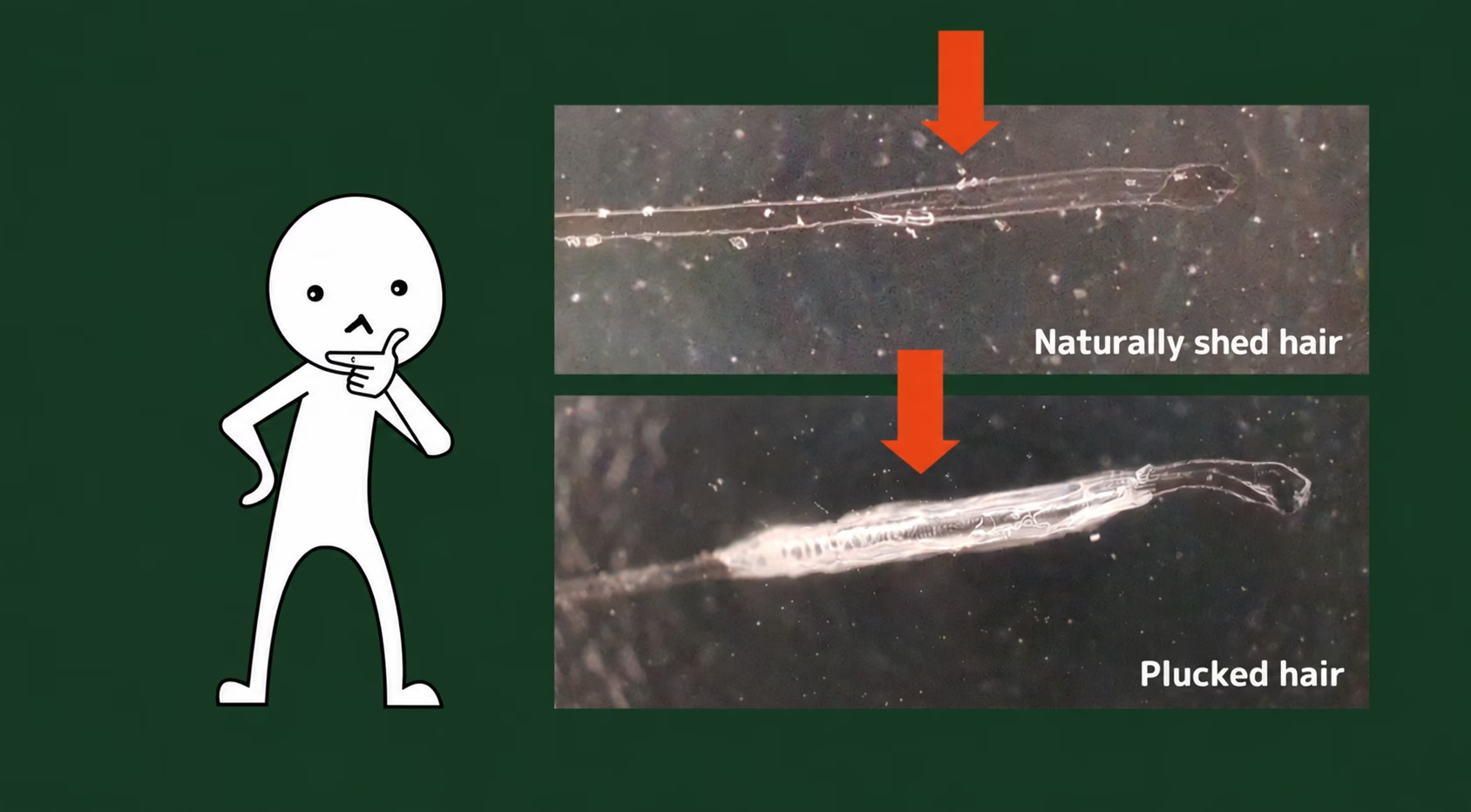
For this reason, the transparent substance is not seen on naturally shed hair. A hair that falls out naturally has passed through the resting phase, and its root has shrunk, so the root end is not bulky either.
Many people also ask whether a new hair will stop growing in a spot after one is plucked. That is not necessarily the case. However, repeatedly pulling hair out can damage the follicle, and hair may stop growing there. Has that answered your question?
Copyright. 사물궁이 잡학지식. All rights reserved
Read the original Korean article · More articles in English
Watch the original Samulgoongi video below. Turn on CC, then choose English (United States) under Settings → Subtitles/CC.