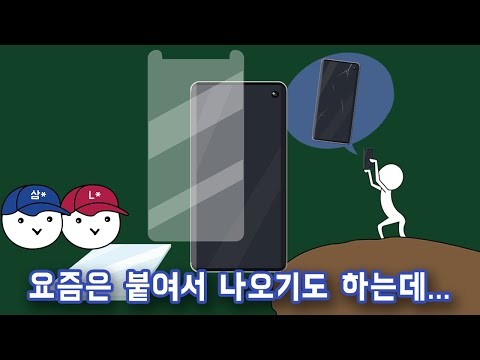
When you first buy a smartphone, you probably treat it like a treasure. A case and screen protector are standard precautions, and you may even take out insurance against accidents.
But do you really have to put a screen protector on it? Surely manufacturers did not design the screen to scratch easily—or to look its best only after a protector has been added.
Most smartphone screens use highly strengthened glass, which should resist ordinary everyday scratches. So it is reasonable to wonder whether adding a screen protector is necessary.
What did the manufacturers say?
I first asked two electronics manufacturers, S* and L*. Both said that applying a screen protector is optional, but recommended one to guard against unexpected scratches.
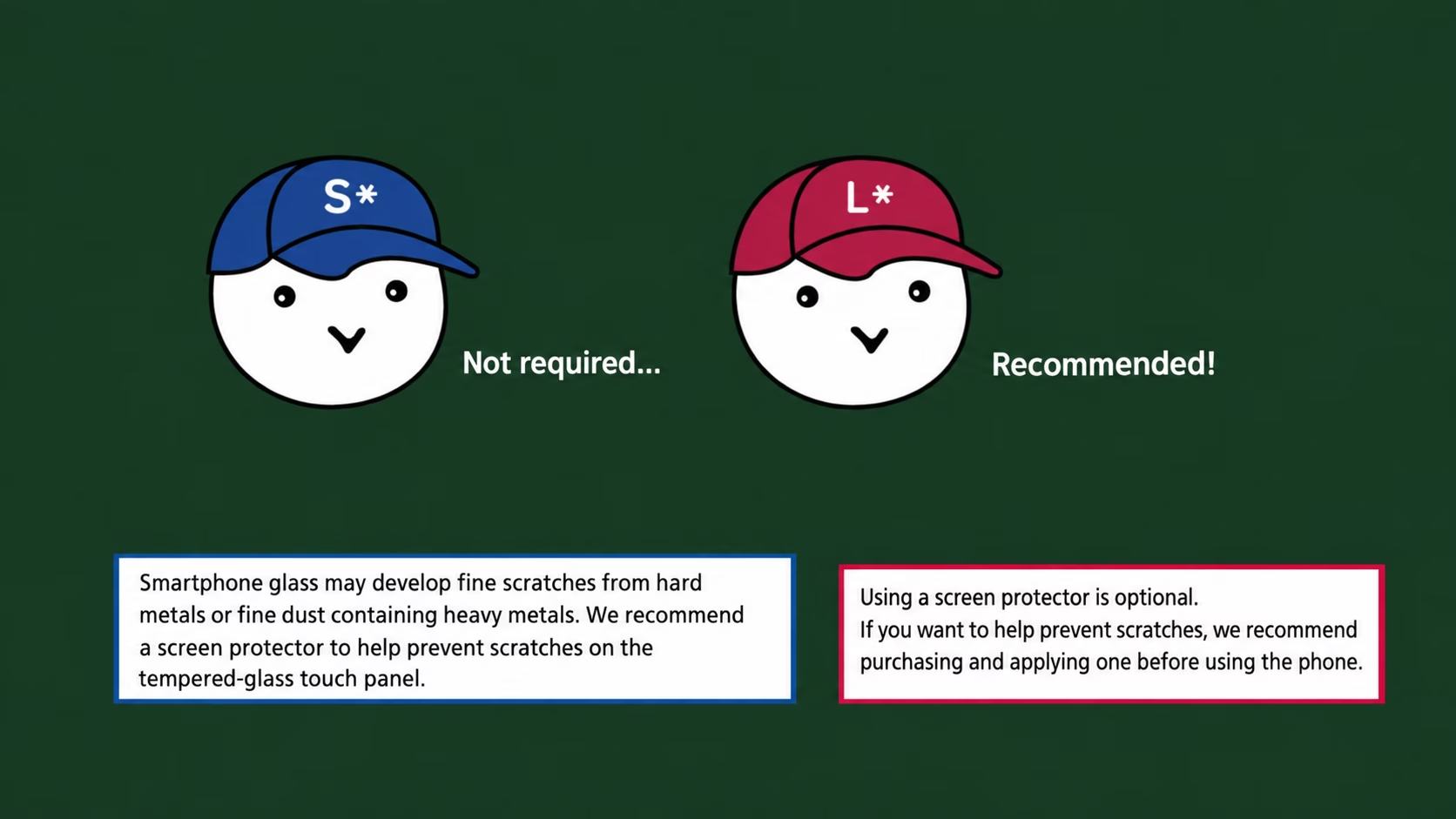
They probably answered this way because telling people not to use one could leave them responsible if something went wrong. That is the textbook answer. Now let’s look at the question more closely.
Different protectors change how the screen feels
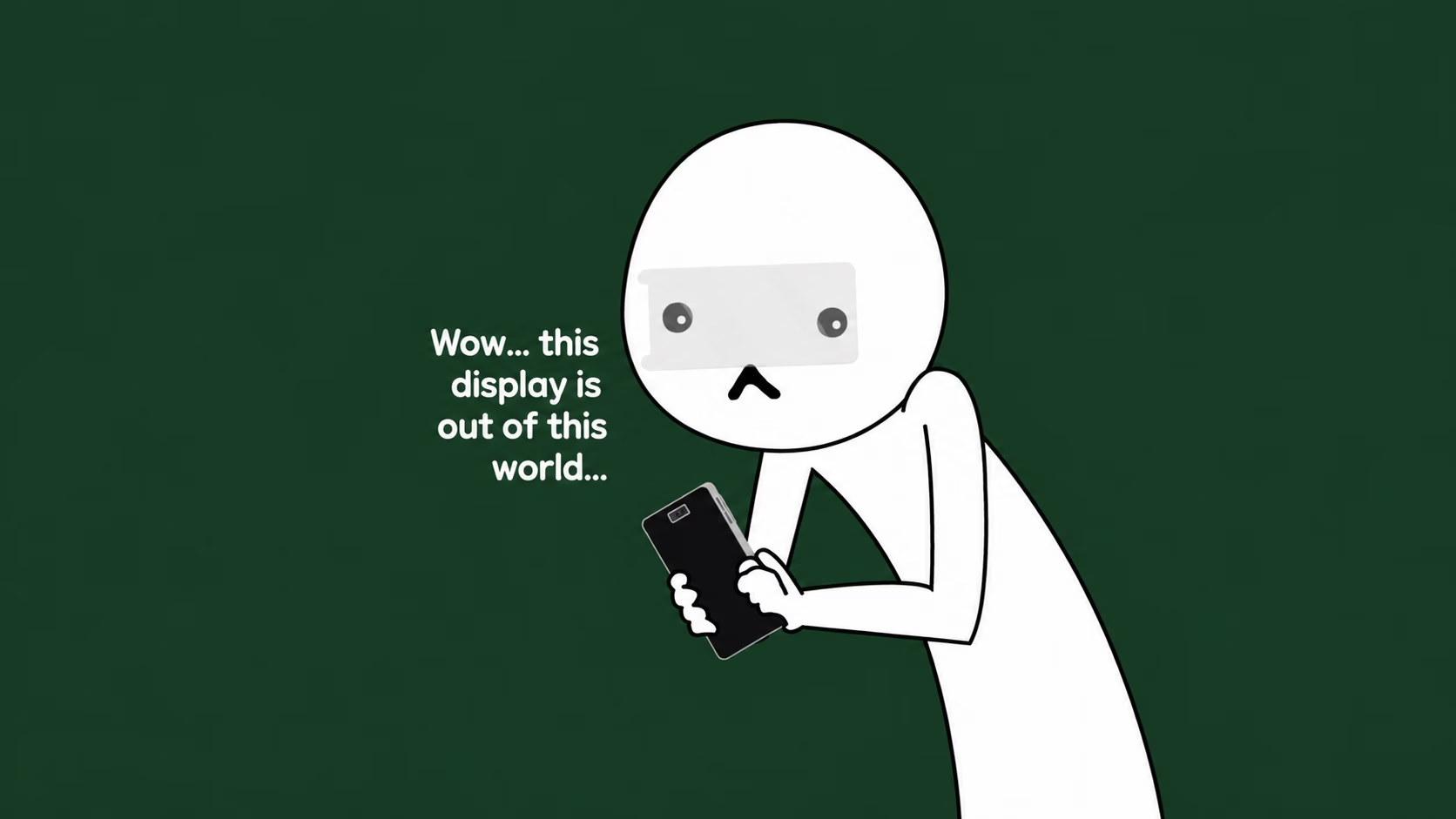
There are many kinds of screen protectors: standard film, anti-fingerprint film, oleophobic film, urethane film, tempered glass, mirror film and pearl film, among others. These use different materials from the phone’s own screen, so using one feels quite different from using the bare screen.
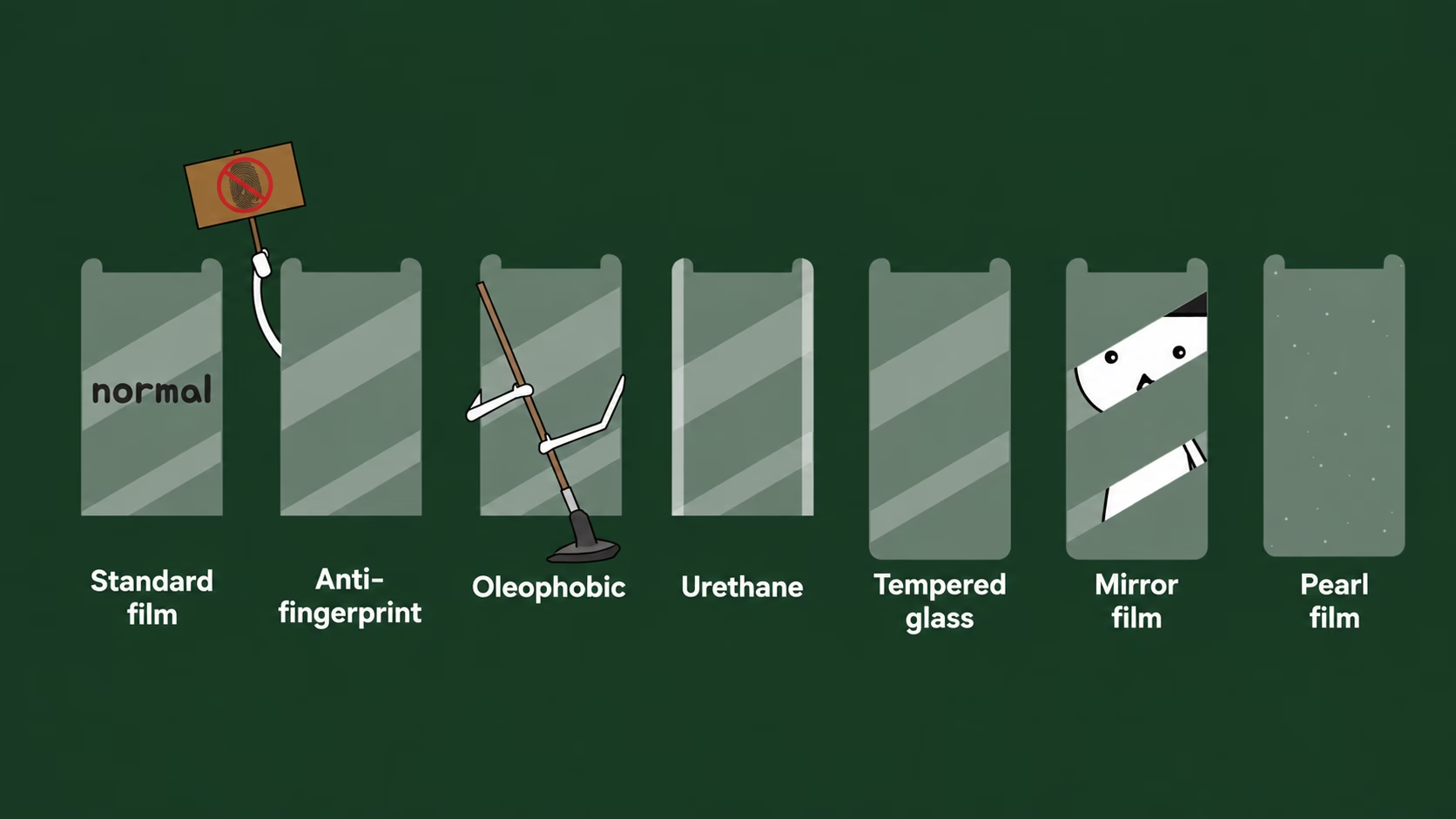
But someone who always uses a protector may never notice that difference. They use one on their current phone, then put one on their next phone too, spending their whole life knowing only how a screen protector feels. Even if they want to remove it, fear of scratches may stop them. Is using the phone without one okay?
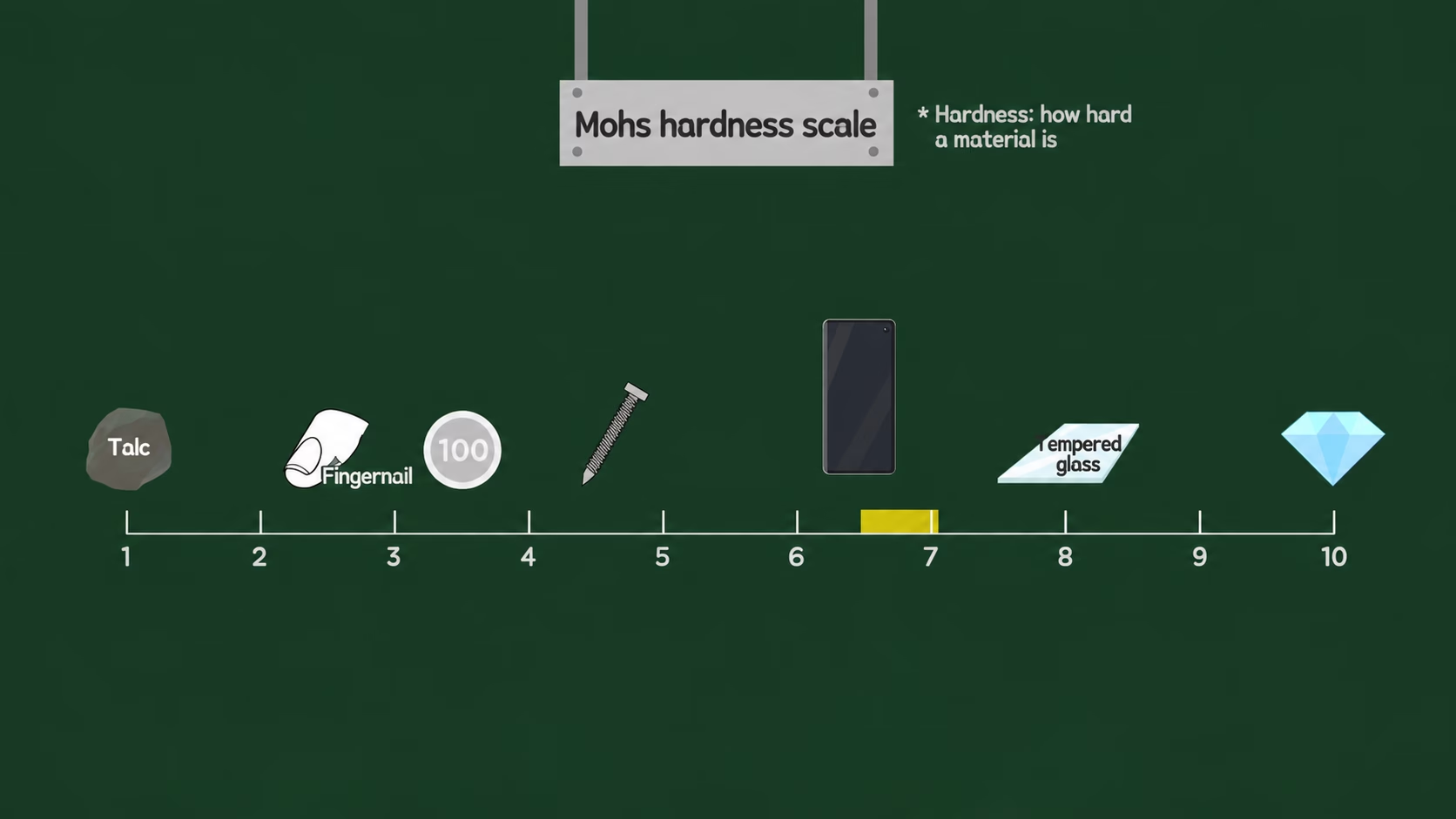
Glass hardness and situations that cause scratches
A smartphone screen has a hardness—how hard a material is—of roughly 6.5 to 7. The comparison above gives a sense of where that sits. Judging by hardness alone, most everyday objects seem unlikely to scratch the screen. The problem arises when your surroundings contain plenty of things with a hardness of 7 or higher.
For example, living near a beach could pose a risk. If fine particles such as sand are on the screen, putting the phone in your pocket and moving around can make those grains scratch it. Dropping the phone can also cause scratches, but that can be a problem even with a protector, so we will set that situation aside here.
The choice depends on how you use your phone
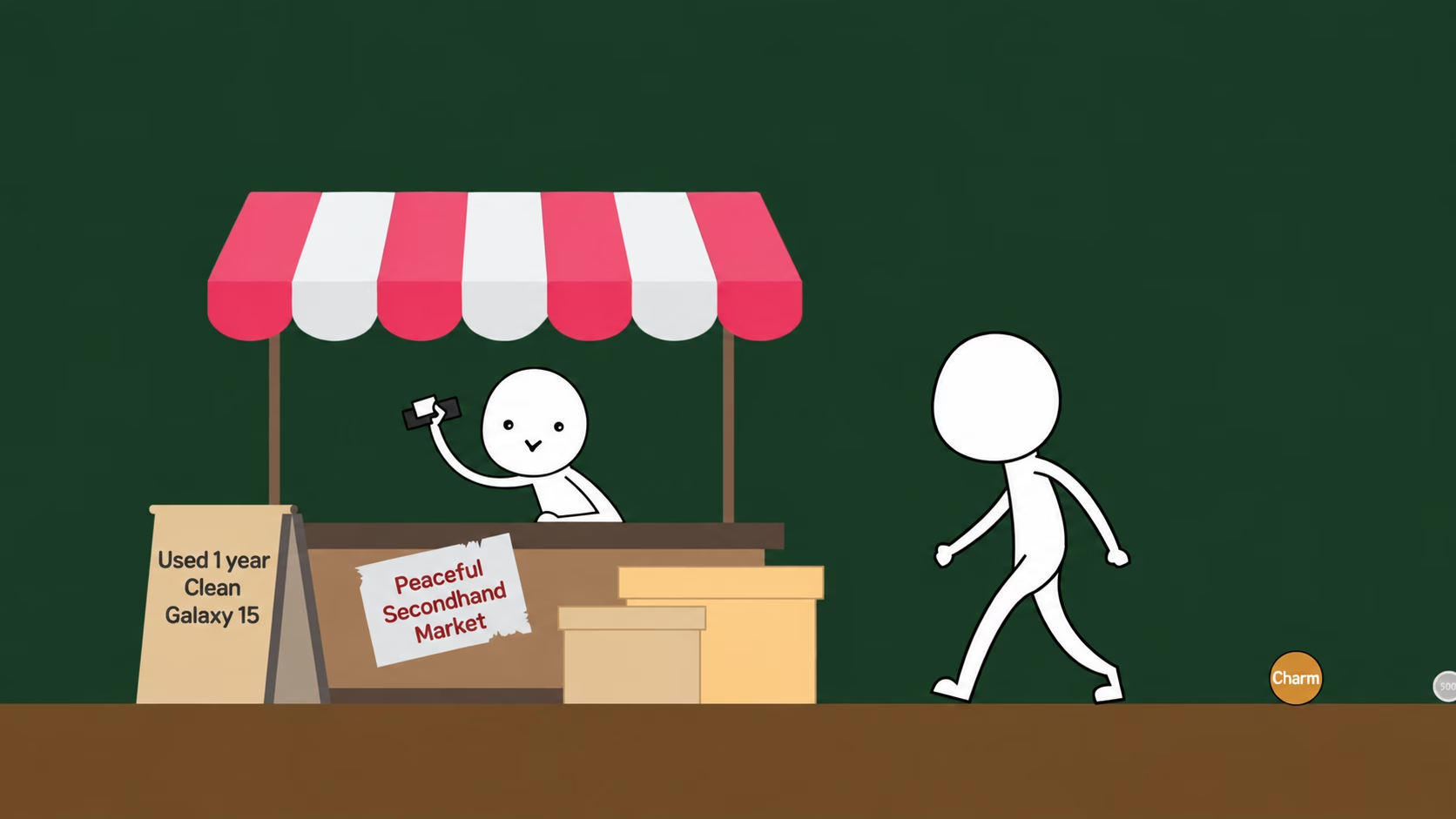
Fine dust containing heavy metals can also cause scratches. If your phone is safe from these situations, using it without a screen protector can be fine. However, if you want to keep it as pristine as possible for resale, or you tend to drop things often, using a protector makes sense.
The choice is ultimately yours. My point is that many people think of a screen protector as a requirement rather than an option. I have used my phone without one for quite a long time. It has picked up a few very slight scratches, but they are not visible to me during use, so I am happy with it. Has that answered your question?
Copyright. 사물궁이 잡학지식. All rights reserved
Read the original Korean article · More articles in English
Watch the original Samulgoongi video below. Turn on CC, then choose English (United States) under Settings → Subtitles/CC.