
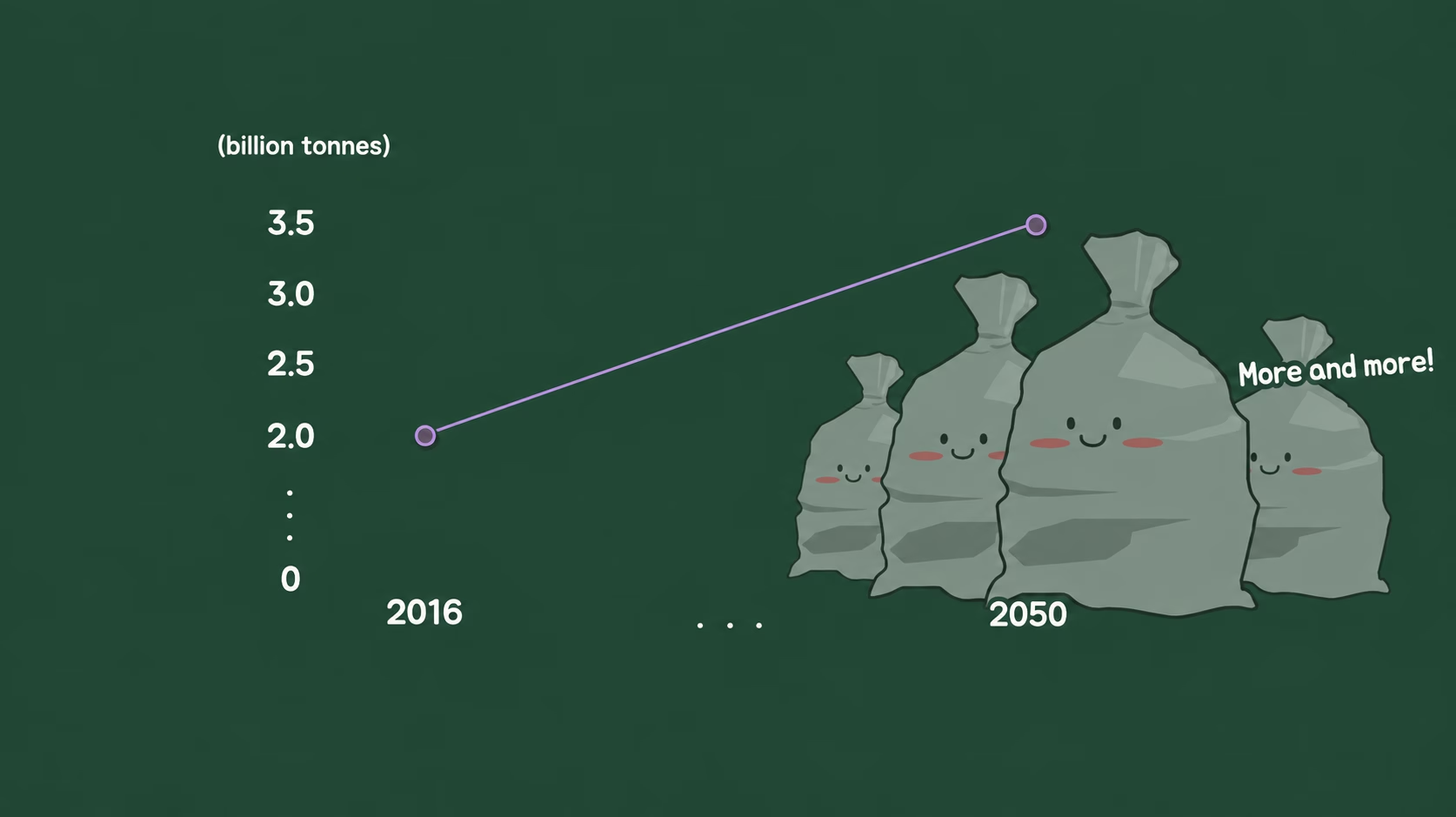
According to a report published by the World Bank, the amount of waste generated worldwide is expected to rise from 2 billion tonnes in 2016 to 3.4 billion tonnes in 2050. That is quite shocking news, yet many people may feel little concern. After all, producing waste rarely causes us much inconvenience.
In practice, we face few restrictions when throwing things away. We also tend to believe that recycling some of our waste means there is no serious problem. But some waste cannot be recycled, nor can we simply make it disappear. So how does humanity deal with it?
Growing waste and the limits of disposal
Some developed countries pay developing countries to handle their waste. Countries unable to afford this may bury waste somewhere on their own land or dump it at sea. But there must be limits to continuing this way.
Under South Korea’s law governing the transboundary movement of waste, exports are permitted when (1) the country lacks the technology and facilities needed to treat that waste in an environmentally sound and appropriate manner, or (2) the waste is needed as raw material for the importing country’s recycling industry.
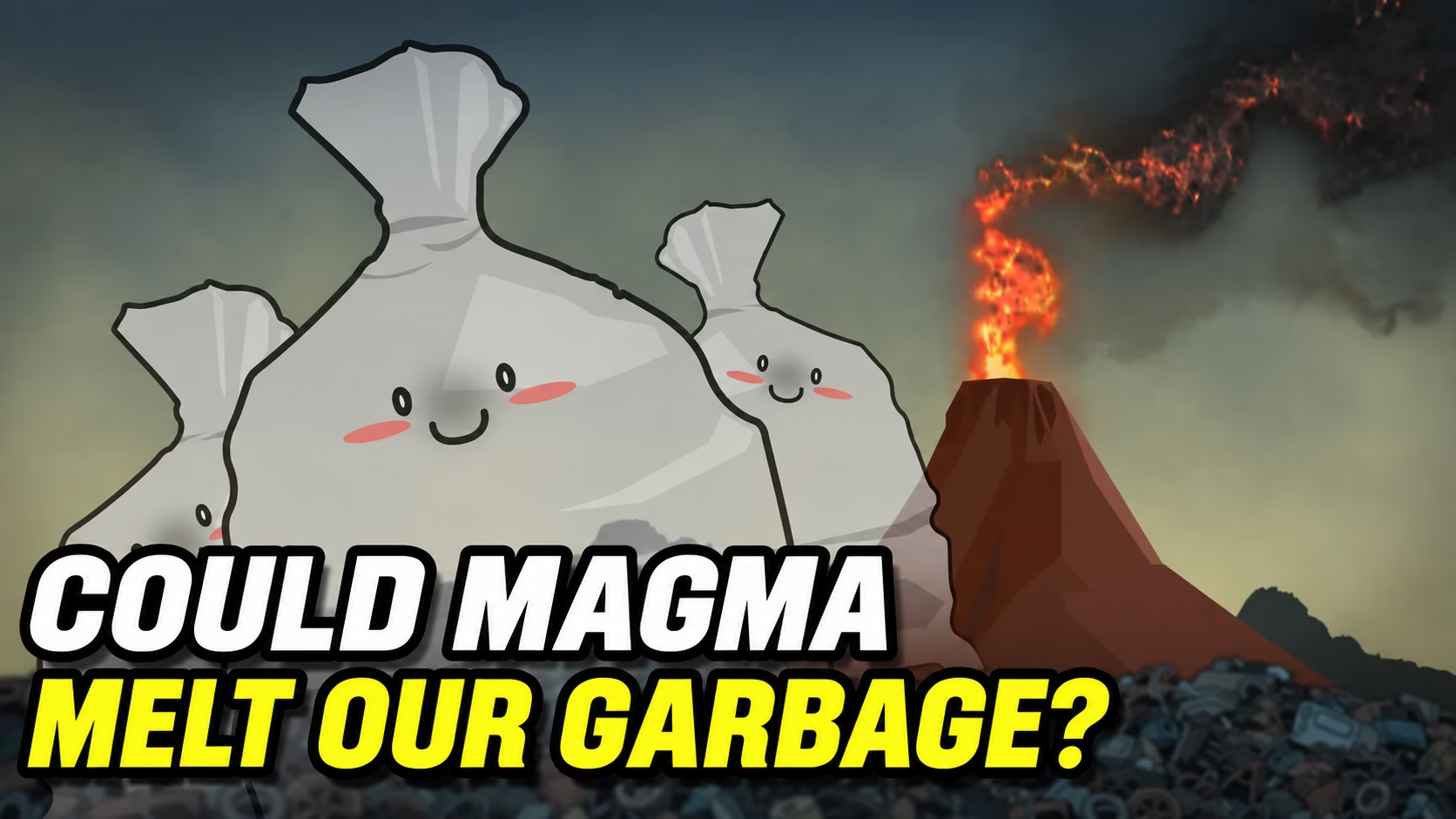
Could volcanic magma make our garbage disappear?
What about throwing it into a volcano? Wouldn’t hot magma melt all the garbage away? Lava is magma that has erupted onto the surface and released volcanic gases.
The short answer is no. Magma on Earth ranges from 700°C to 1,200°C. That is certainly hot, but some waste will not melt at those temperatures, so this would not solve the problem.

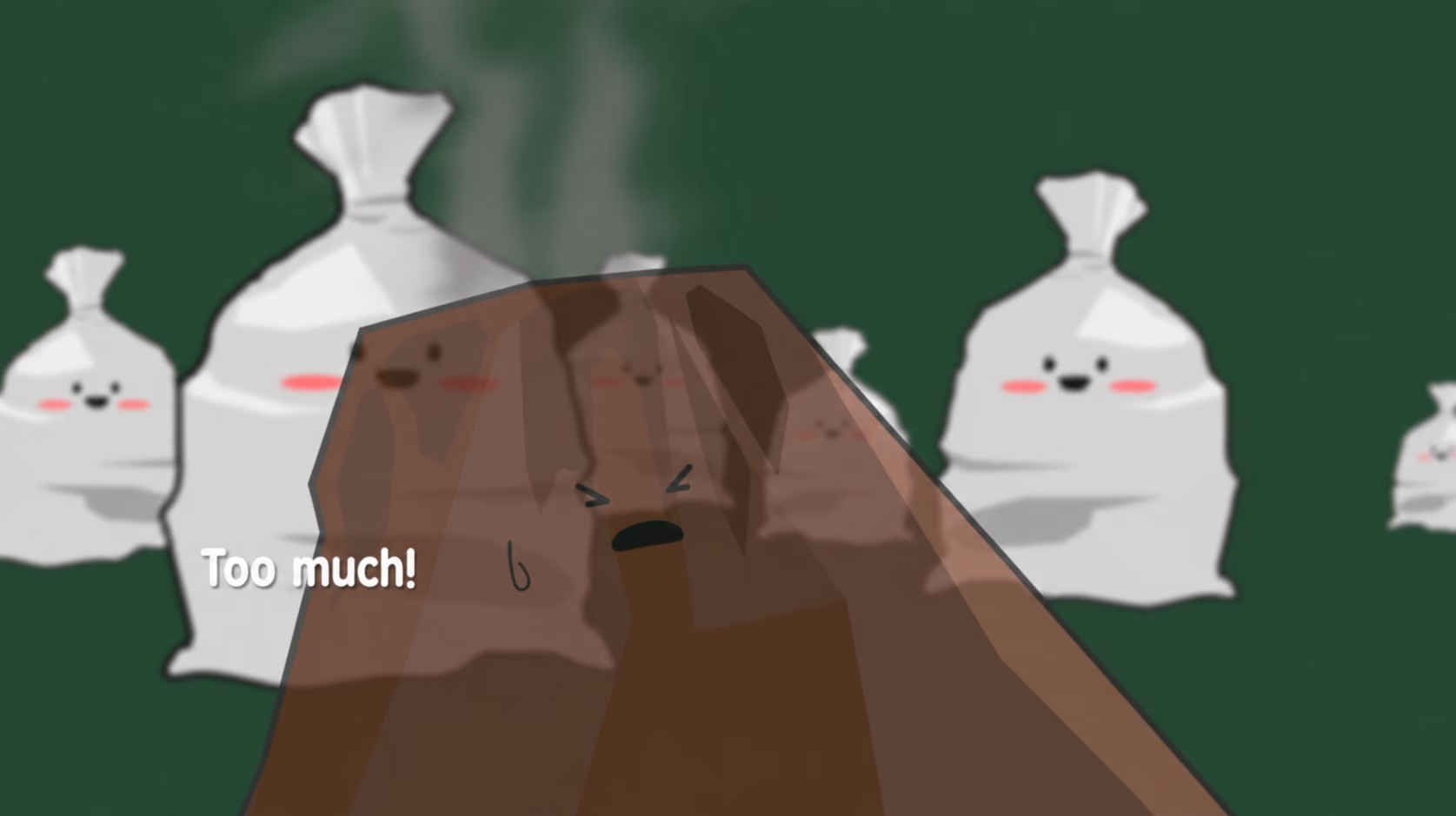
About 60% of volcanoes that rise above the ground are stratovolcanoes. Their tendency to push magma upward means that unmelted waste might not sink to the bottom. What would happen if the volcano then erupted?
Volcanoes versus incinerators: toxic gases and control
There are many other reasons why volcanoes cannot serve as garbage-disposal sites. Throwing waste into a volcano would be a form of incineration beyond human control. As the waste burned in magma, it would release various toxic gases. Once released into the atmosphere, those gases would cause air pollution.
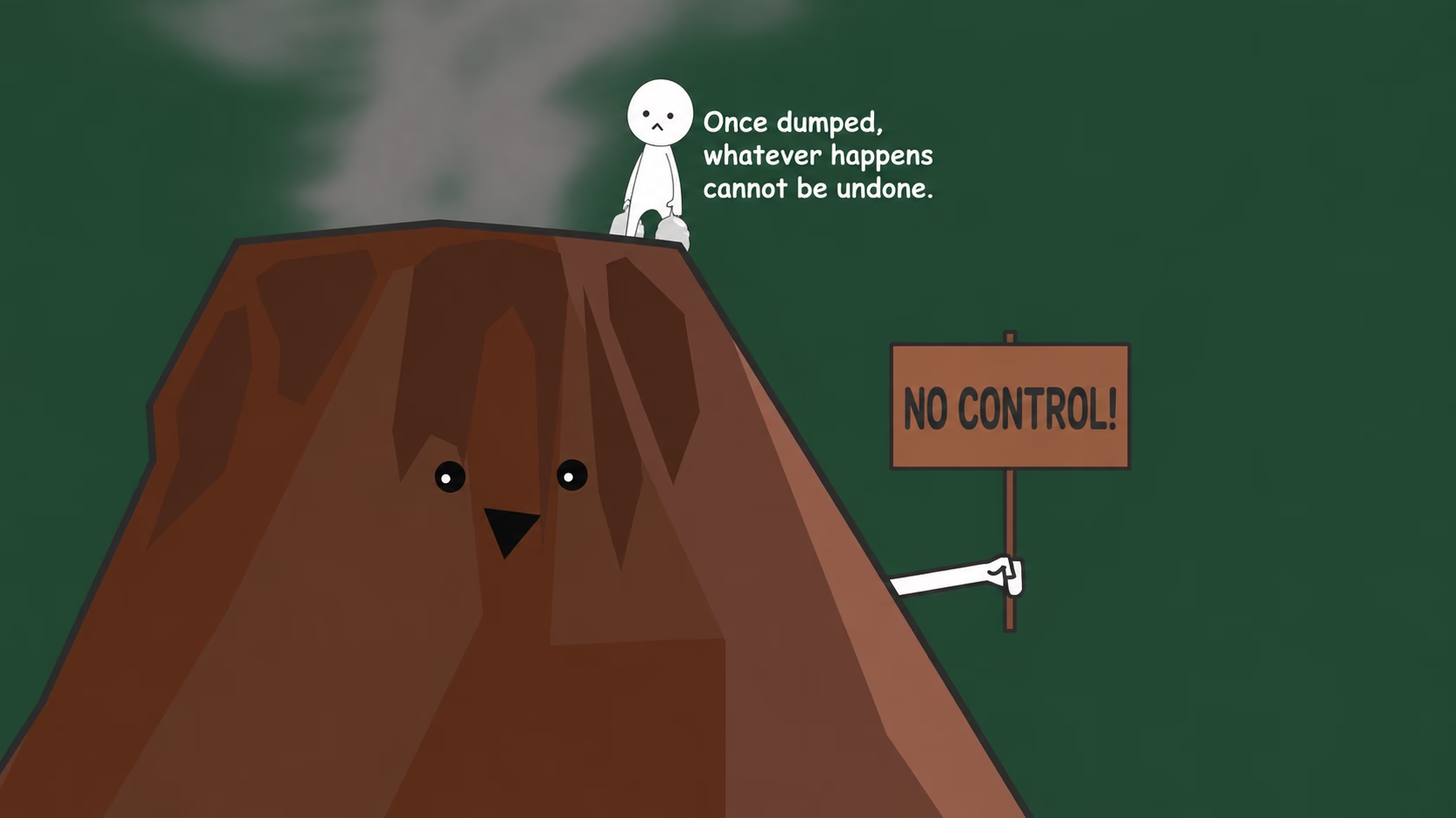
This may raise a question: don’t waste incinerators already do the same thing? Incinerators operate at temperatures of about 870°C to 1,200°C, similar to magma.
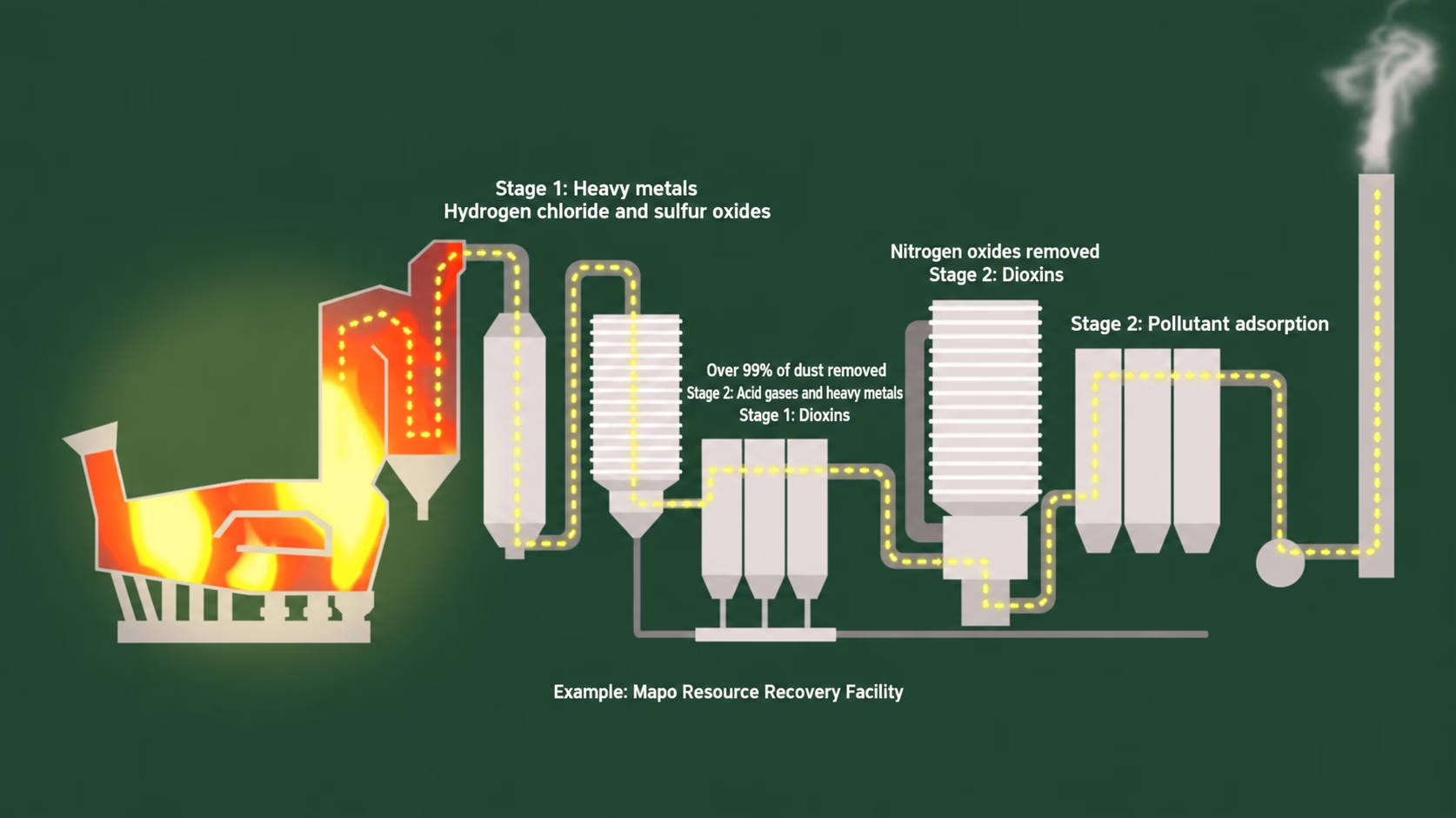
The difference is that incineration takes place under human control. When waste is treated in an incinerator, toxic gases can be kept from escaping into the atmosphere. There also are not that many active volcanoes—about 1,500. They could not handle the enormous volume of waste people produce, and approaching an active volcano to dispose of garbage would itself be extremely dangerous.
Why not send garbage into space?
What if we threw our garbage into space instead? Space already contains a great deal of debris. It is not the everyday garbage we usually imagine, but countless retired satellites and fragments of rockets. Dealing with that existing debris is already a headache, so adding Earth’s garbage is not a feasible solution.
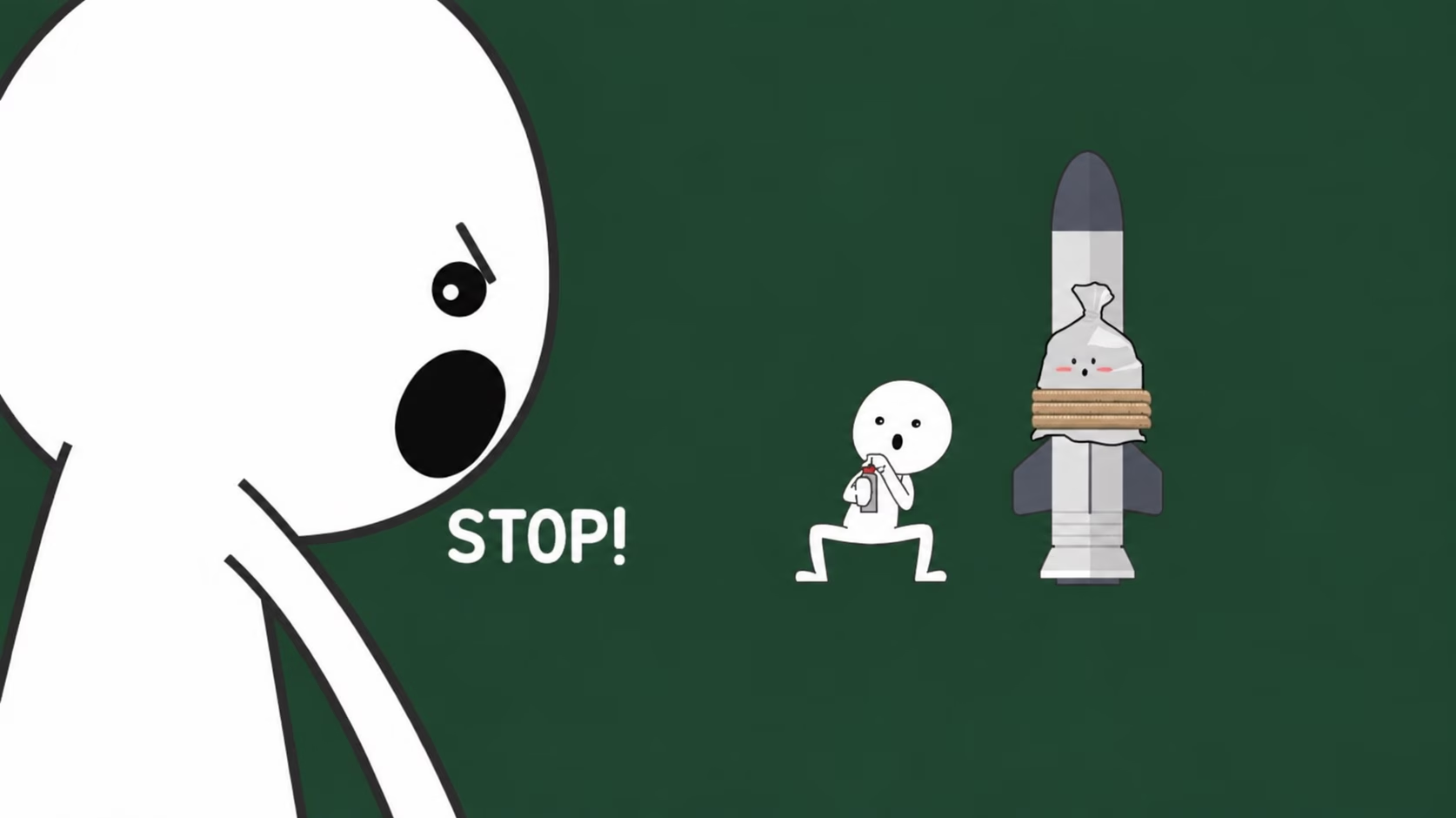
The biggest problem is the considerable cost of transporting waste into space. According to one media report, using an Ariane V rocket would cost about US$41,000 per kilogram of garbage. Spending that money on dealing with the waste here would be more sensible, which is why we do not try it. Has that answered your question?
Copyright. 사물궁이 잡학지식. All rights reserved
Read the original Korean article · More articles in English
Watch the original Samulgoongi video below. Turn on CC, then choose English (United States) under Settings → Subtitles/CC.