

The umbilical cord develops at around the fifth week from the fertilized egg, incorporating remnants of the yolk sac and allantois. After implantation, fetal membranes and the lining of the mother’s uterus form the placenta. The cord extends from the placenta, entering the fetus through the navel and connecting to its heart.
The structure and role of the umbilical cord
In a mature fetus, the cord is about 1–2 cm in diameter and roughly 50 cm long. It contains two arteries and one vein. Oxygen and nutrients from the mother pass from the placenta through the umbilical vein to the fetus, through the heart and fetal circulation. Waste returns to the placenta through the arteries.
By connecting the fetus to the placenta, the cord allows it to receive oxygen and nutrients from the mother and dispose of waste. It therefore plays a vital role in keeping the fetus alive.
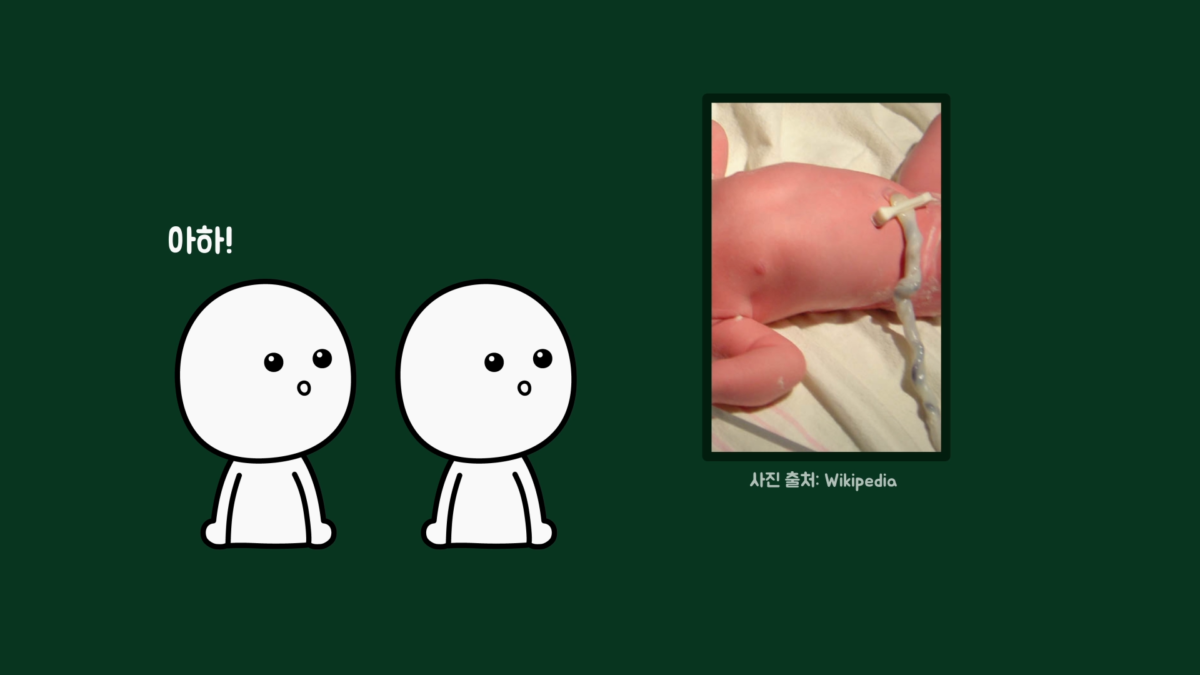 Aha!Photo: Wikipedia
Most people have probably never seen a real umbilical cord; the photograph shows what one looks like. Its coiled shape comes from the vein growing faster than the arteries and winding around them as it grows.
What happens if the cord is left uncut?
Inside the womb, the fetus survives by receiving oxygen and nutrients through the cord. When the time comes, it enters the world still attached. Usually the father or a doctor cuts the cord. But does it have to be cut?
The answer is that the cord will separate naturally even if it is not cut. Within about 10–45 minutes after birth, the placenta is expelled from the mother’s body together with the cord. If the cord is left intact, the newborn remains attached to the placenta.
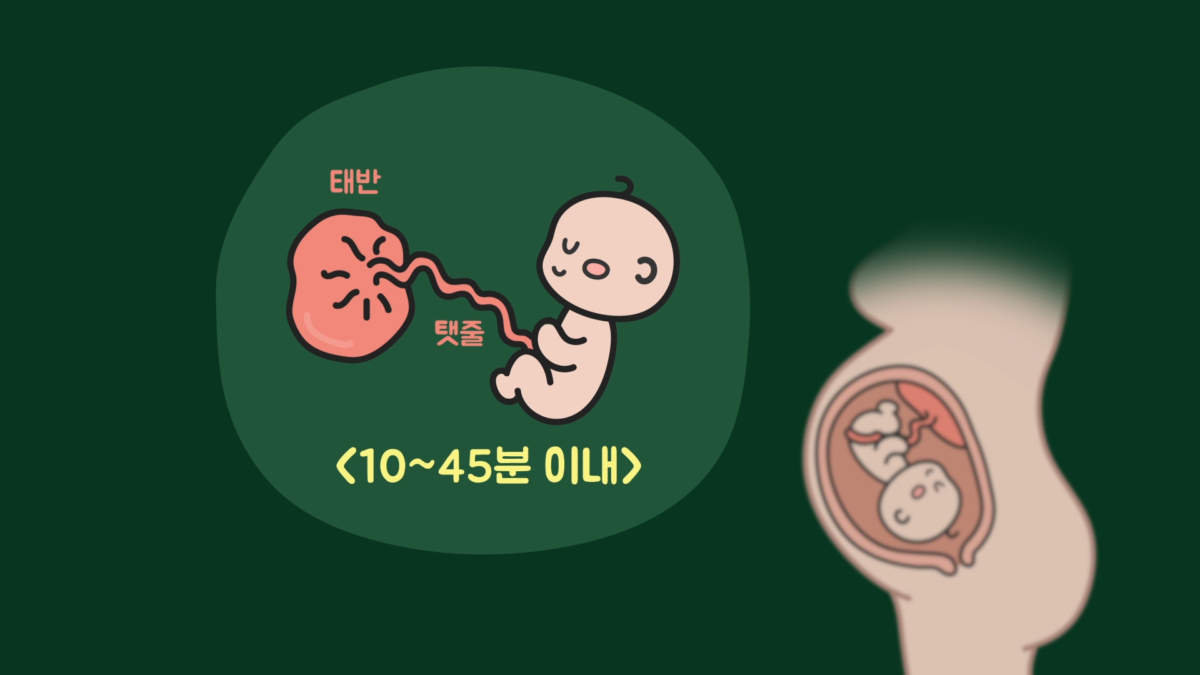 PlacentaCordWithin 10–45 min
After roughly ten days, the cord separates from the body on its own. Leaving the placenta attached until then is called a “lotus birth.”
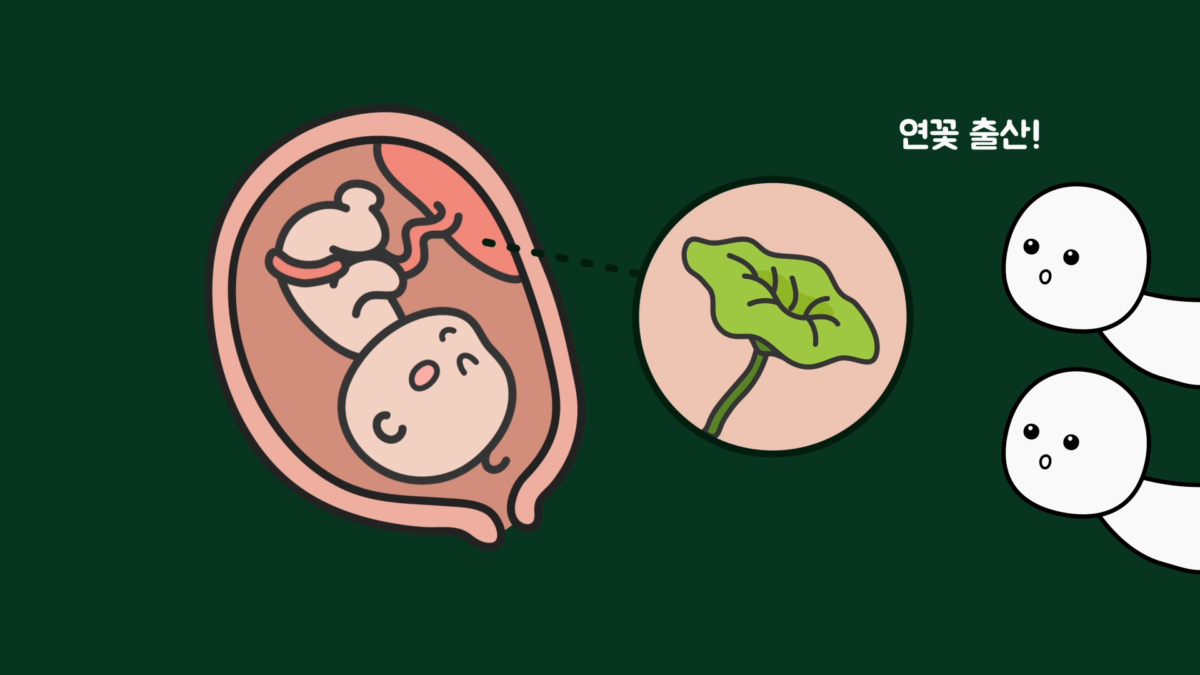 Lotus birth!
The name comes from the resemblance between a lotus and the newborn with its cord attached to the placenta. Some parents choose it in the hope that their baby will absorb as many nutrients as possible from the placenta.
Delayed cutting and lotus birth are different
The original explanation says it is better to wait about 1–3 minutes rather than cut the cord immediately after birth. During that time, it describes the baby as receiving useful substances from the placenta, including hormones, antibodies, stem cells, blood and vitamin K.
Lotus birth takes that idea further by leaving the cord uncut to allow more nutrients to be absorbed. Doctors do not recommend it, however, because of the risk of infection. The placenta and cord continue to pulsate for about 15–20 minutes after leaving the mother’s body, then stop. After that, the placenta is dead tissue.
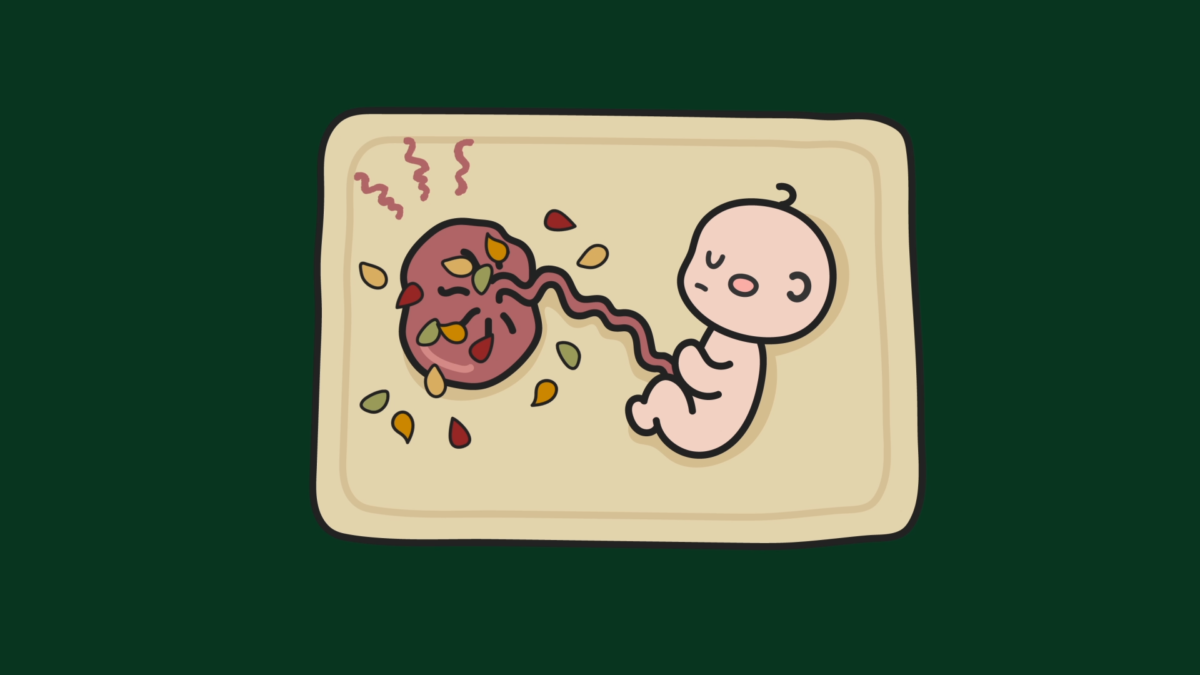
As time passes, a strong smell develops. People practicing lotus birth reportedly sprinkle potpourri and rock salt around the placenta to mask the odor.
Although the intention is to help the baby grow healthily, the practice can be dangerous and is not recommended. Carrying a placenta bag together with a newborn is also difficult, and this process can expose the baby to infection. The cord should therefore be cut according to the doctor’s judgment.
Does cutting the umbilical cord hurt?
Another common question is whether cutting the cord hurts the newborn or the mother. The cord contains no nerve cells, so neither the baby nor the mother feels pain when it is cut. Has that answered your question?
Copyright. 사물궁이 잡학지식. All rights reserved
More English articles · Read the original Korean article
Watch the original video below. For English subtitles, turn on captions (CC) and choose English (United States) in the player settings.