
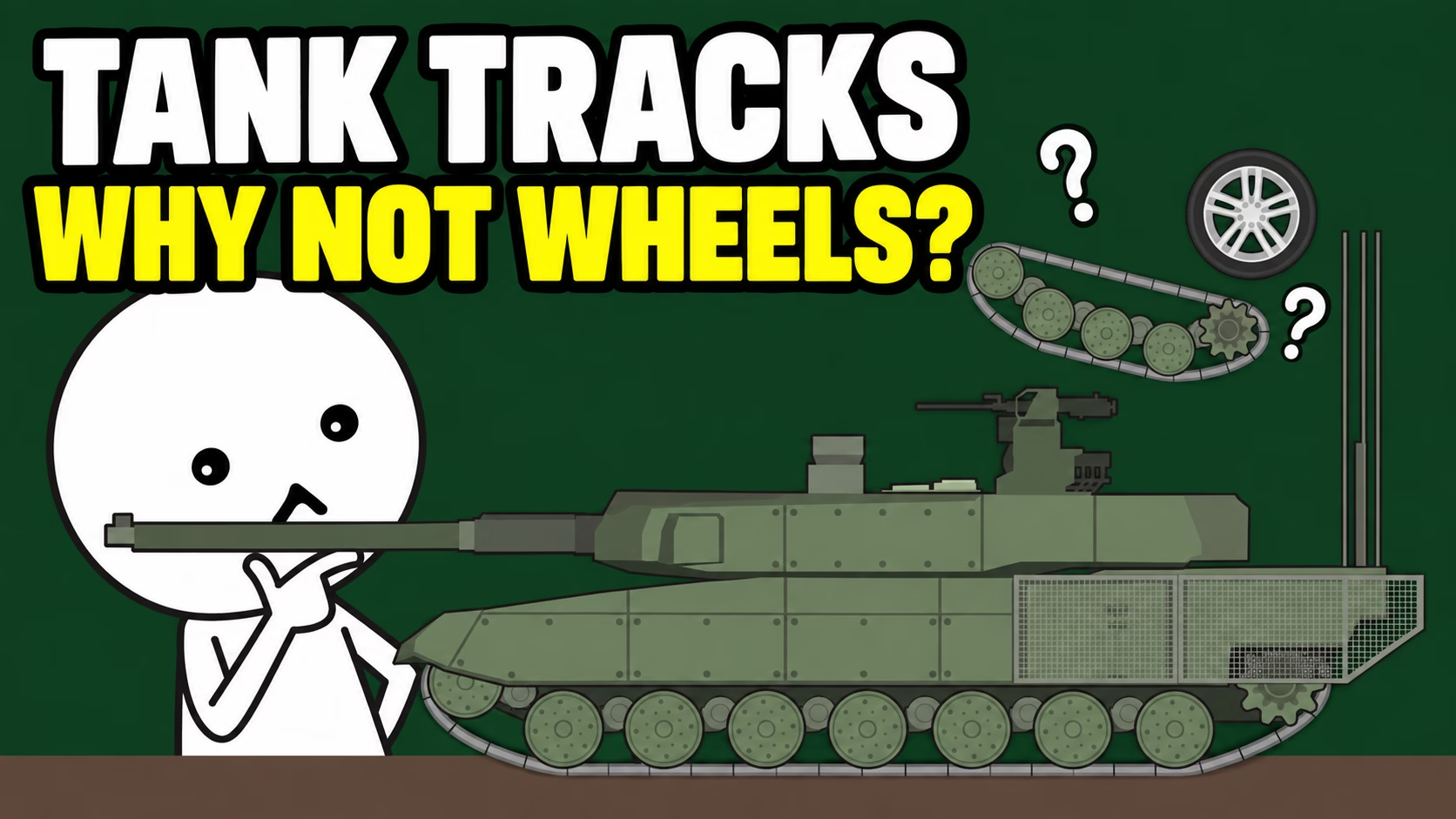
Look at a tank and you will see several wheels surrounded by steel plates, moving much like an escalator. This type of drive system is called a continuous track. It is widely used not only on tanks, but also on bulldozers, excavators and tractors. Why go to the trouble of using tracks?
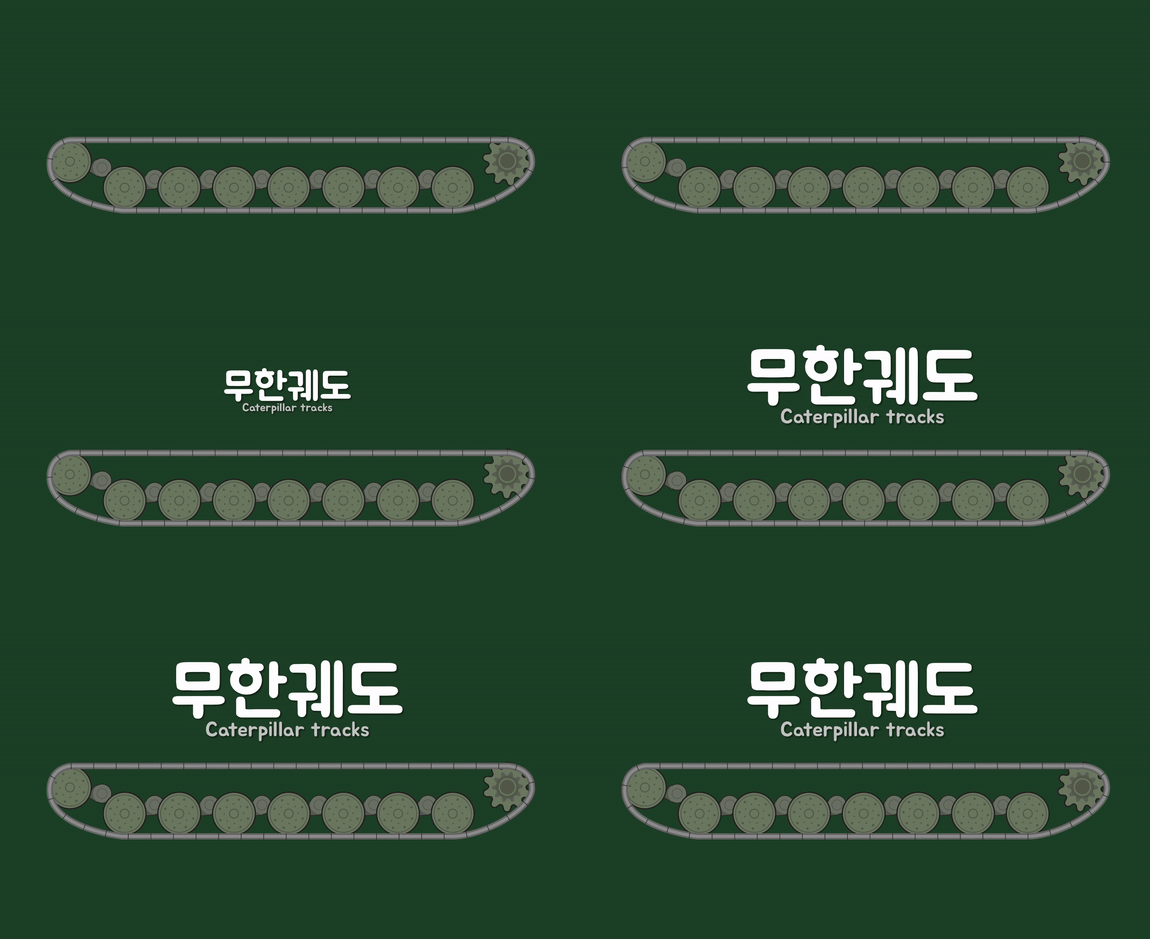 Continuous tracks
What the different wheels do
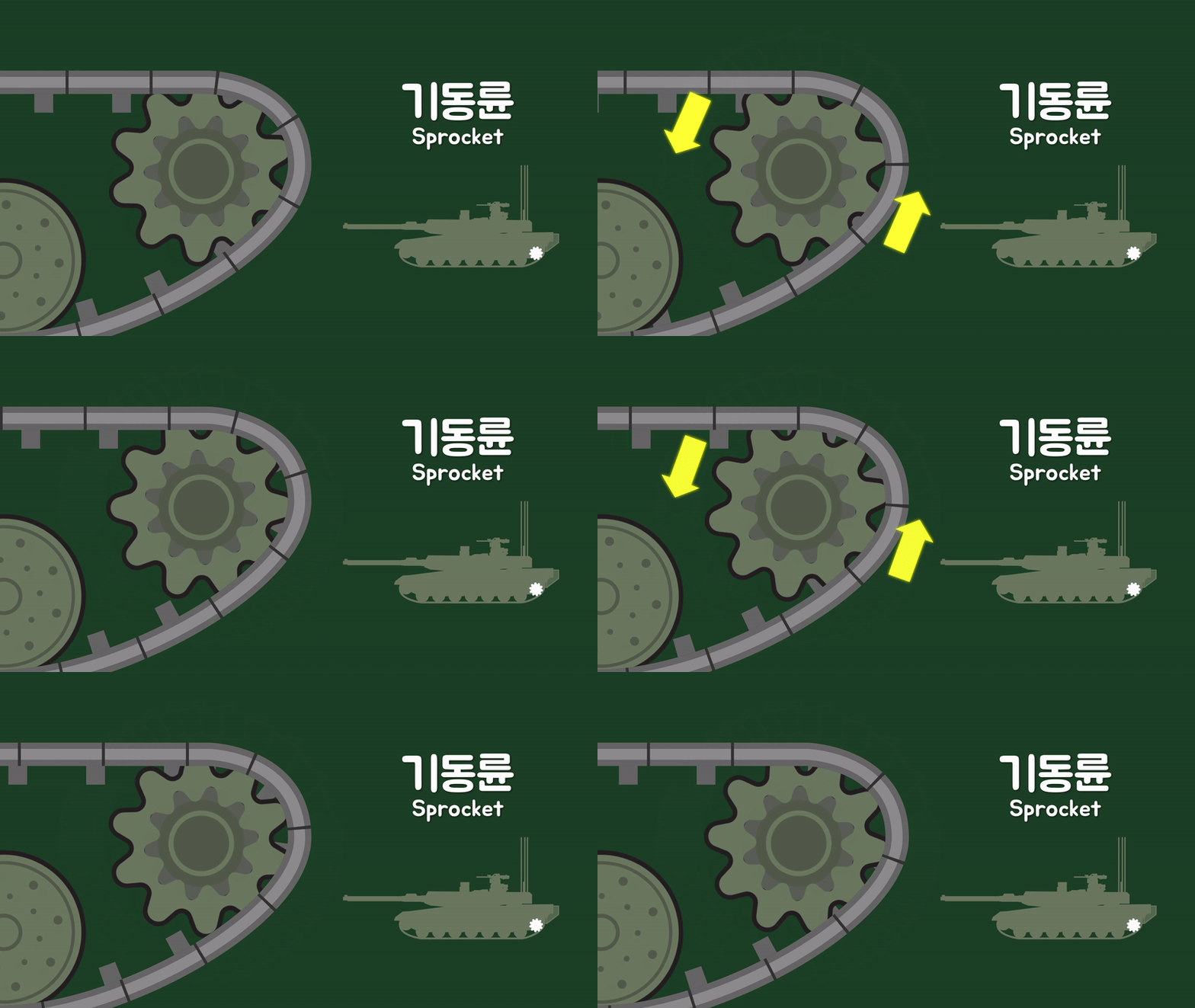
A tracked vehicle has a complex structure. Here we will briefly look at the sprocket, idler, road wheels and suspension. First, the sprocket transfers power to the track.
 Sprocket
The sprocket has teeth. Power from the power pack—the engine and transmission—passes to the final drives on the left and right sides of the hull. The sprockets connected to those final drives turn and move the tracks.
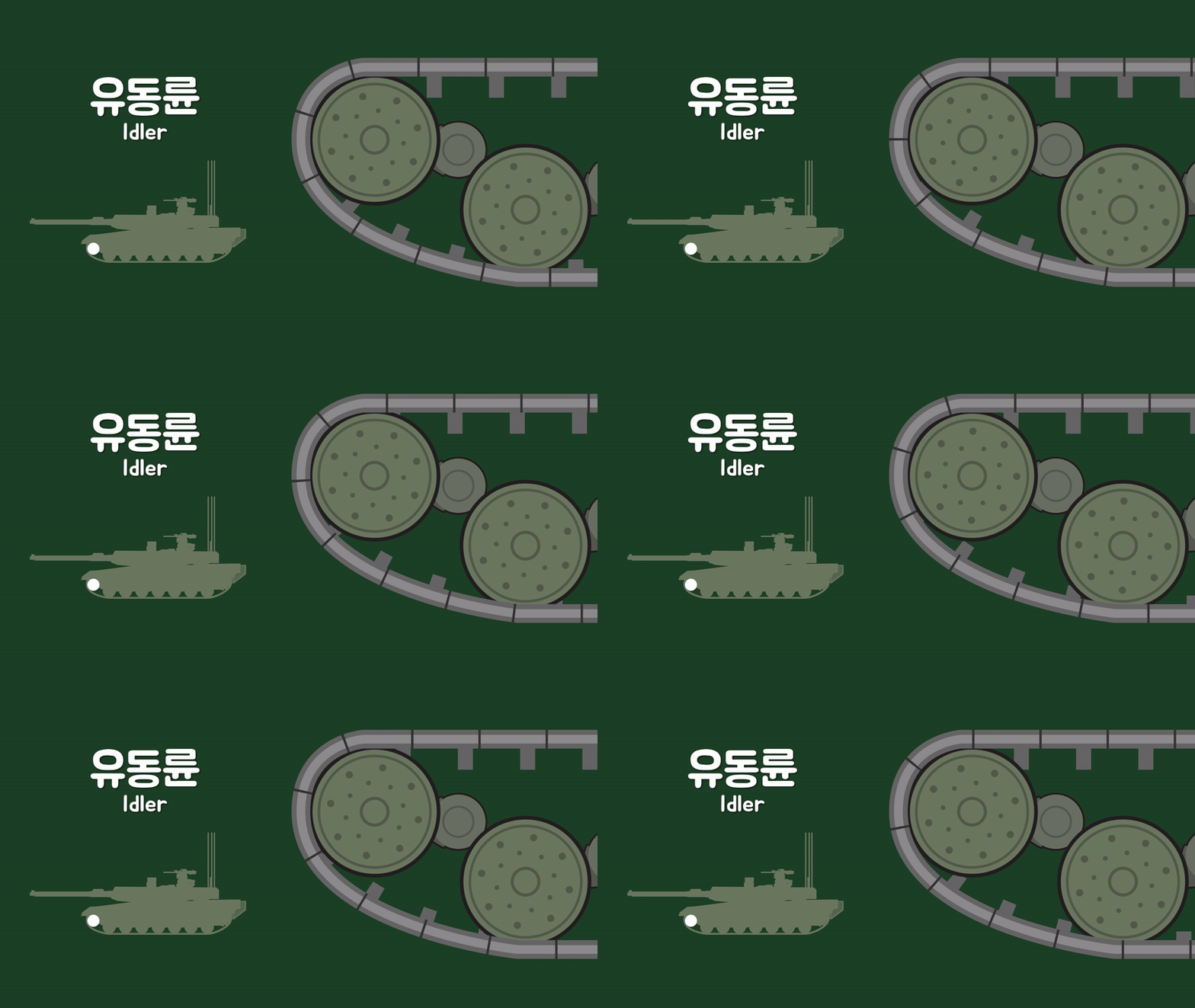
The idler is not powered. It helps the track change direction smoothly.
 Idler
IdlerA track tension adjuster is connected to the idler to keep the tension at the appropriate level. Too much tension can damage the track, while too little can cause it to come off.
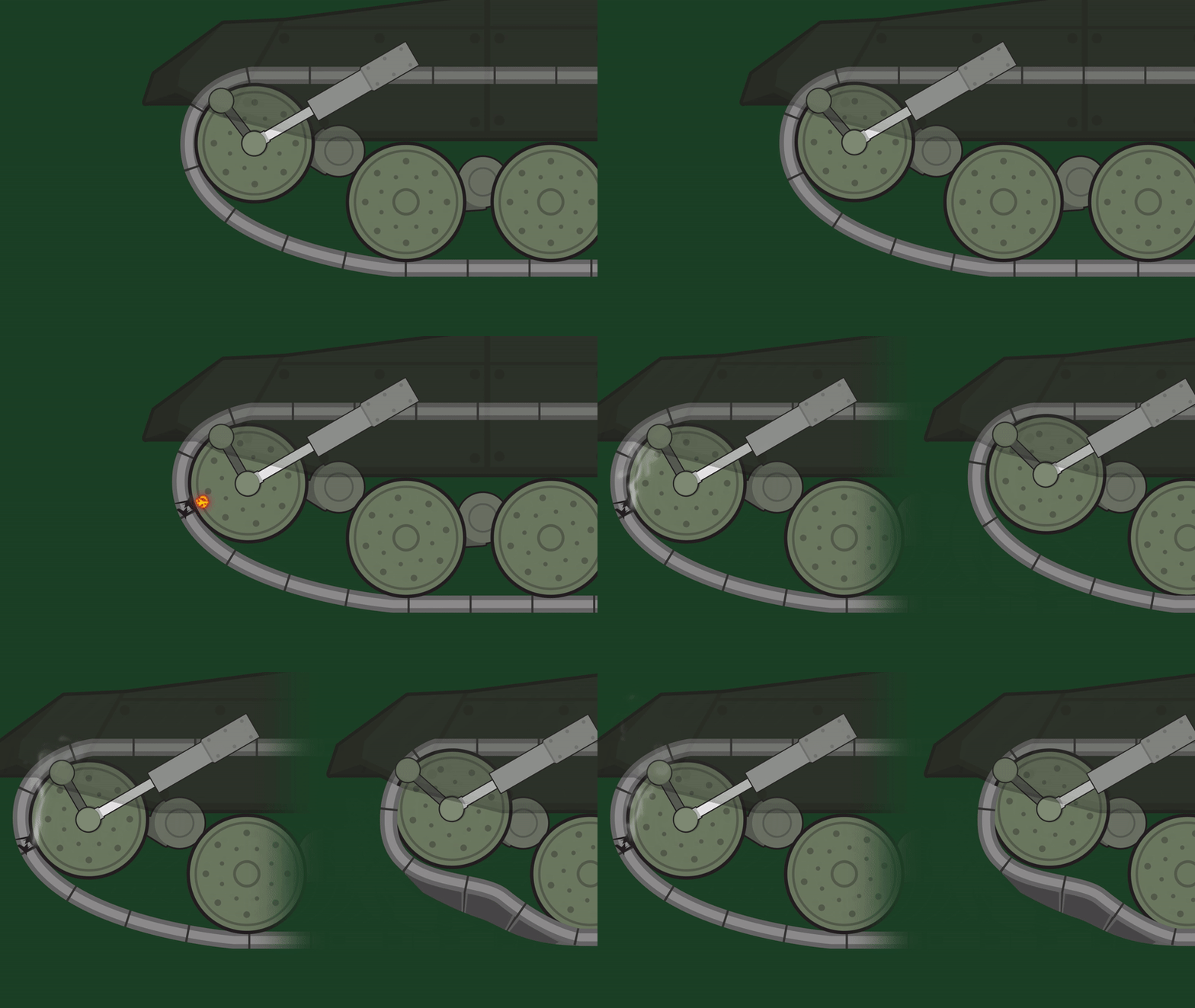
The road wheels, or bogie wheels, can be thought of as ordinary wheels. They roll freely without transmitting power and transfer the vehicle’s weight to the ground. Even this brief look makes the system seem complicated compared with a wheeled vehicle. Tracked vehicles nevertheless exist because they offer several advantages.
A larger contact area reduces ground pressure
First, tracks can greatly reduce ground pressure—the pressure where a vehicle’s wheels or tracks touch the ground. Tracked vehicles often operate off-road. To move, the ground must provide a reaction to the vehicle’s driving force, in accordance with the law of action and reaction.
There is a limit to the reaction force the ground can provide. Asphalt has a relatively high coefficient of friction, so it can resist the driving force of a heavy vehicle. Gravel, dirt and snow have lower coefficients and cannot withstand as much driving force. With insufficient reaction force, the engine’s output cannot be fully used.
The coefficient of friction describes the friction between a wheel and the ground. Examples from the original explanation are 0.7–1 for asphalt, 0.3–0.5 for gravel and 0.1 for snow.
Wheeled vehicles have a small contact area, so their ground pressure is high. On mud and similar surfaces, the ground may give way, leaving the vehicle unable to move.
The surface also has a limit before it fails in shear. High ground pressure concentrates the driving force on a small area. The material making up the surface separates, preventing the force from being fully transferred. This is why wheels on sand may spin and simply scatter the sand around them.
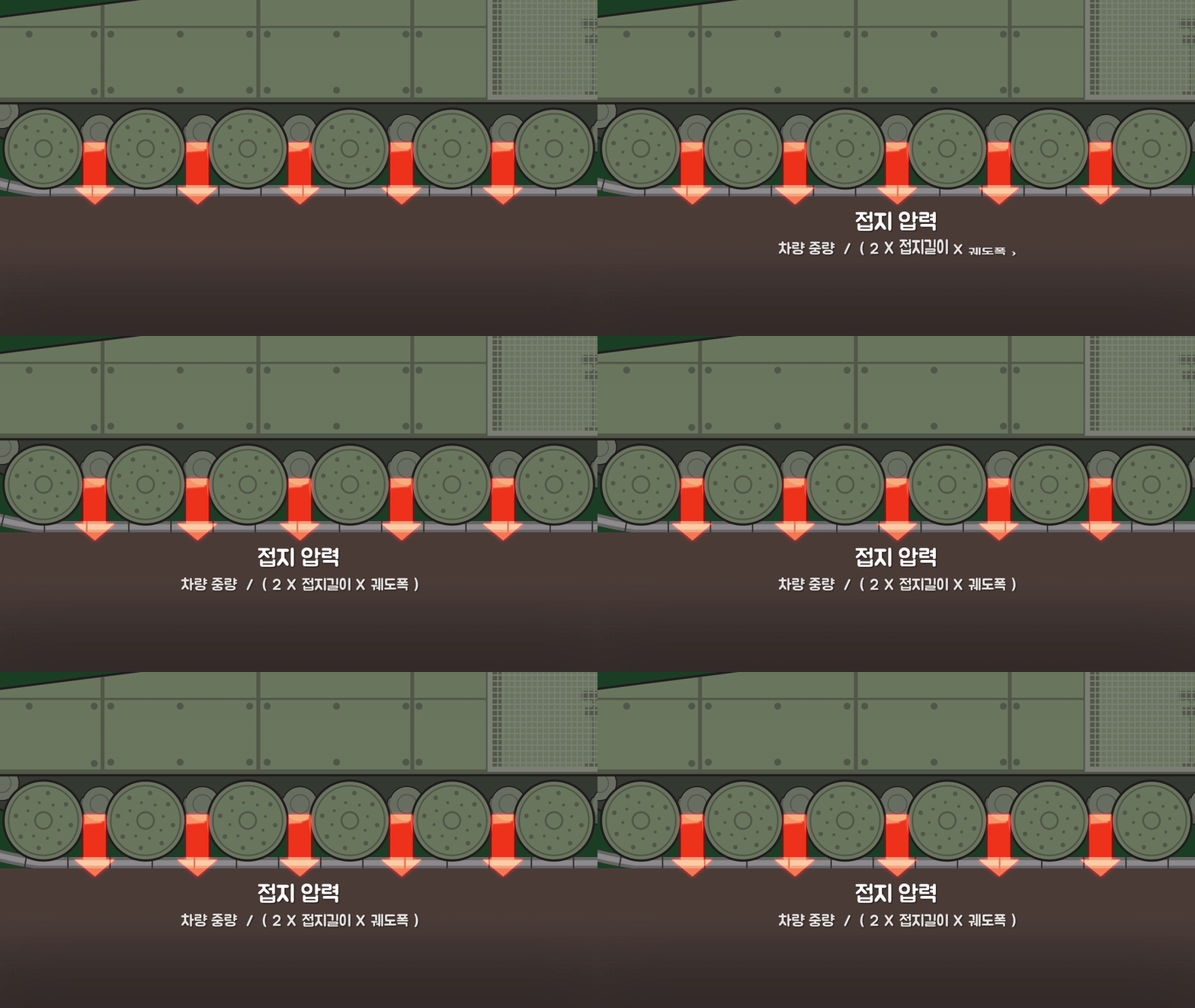 Ground pressure
Weight ÷ (2 × contact length × track width)
Tracks spread the weight over a larger area, reducing ground pressure and preventing force from being concentrated at a small spot. This allows the vehicle to move over sand.
Crossing rough terrain and obstacles
Tracks also greatly improve the ability to travel over rough terrain. Generally, the tallest vertical obstacle a wheeled vehicle can cross is about half the height of its wheels. To cross a one-meter-high obstacle, the wheels would need to be at least two meters tall. A tracked vehicle can cross an obstacle up to roughly the height of its sprocket, making the task easier.
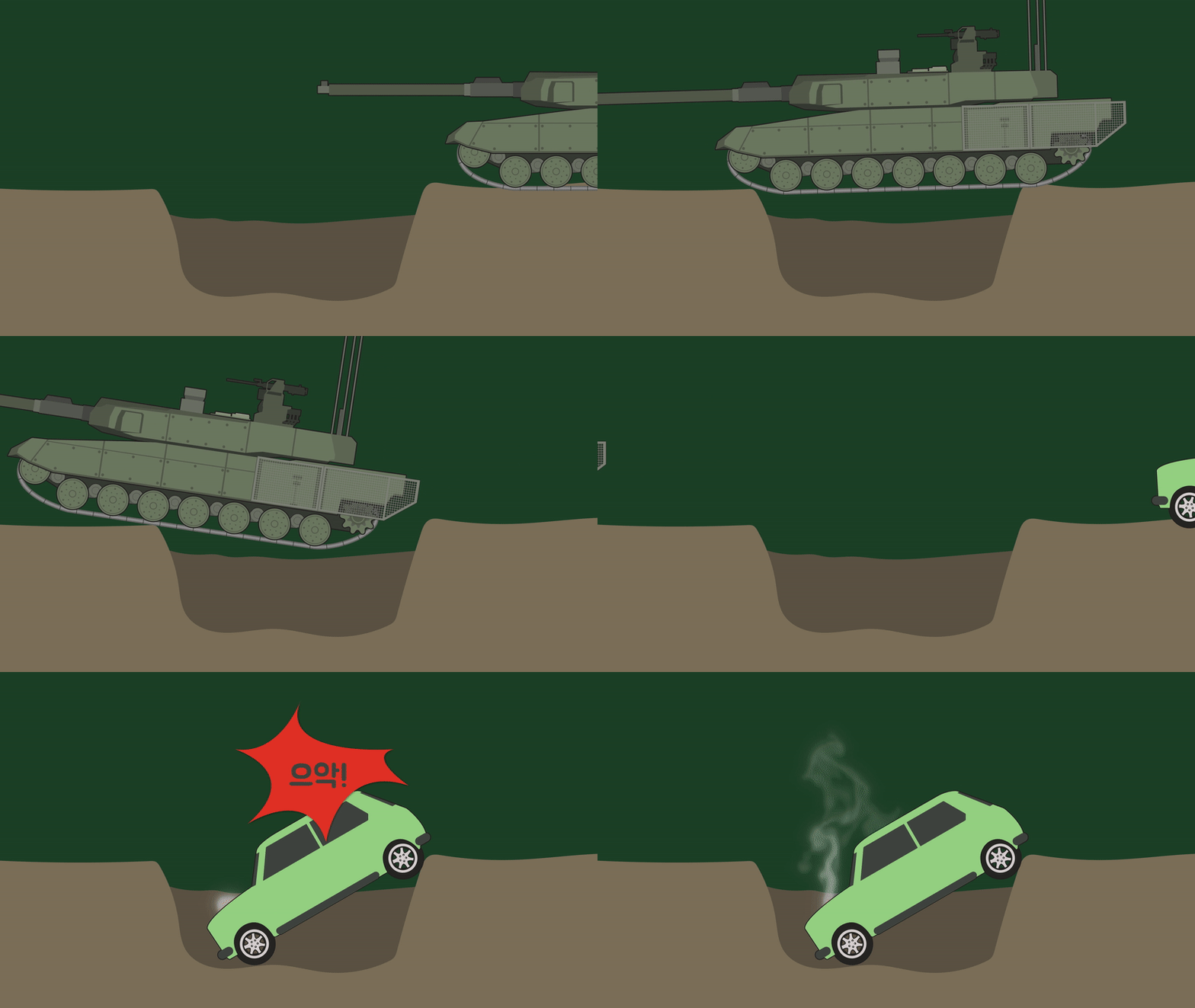
The tracks also keep supporting the vehicle as it crosses a large hollow such as a ditch, making this easier than for a wheeled vehicle. Because its obstacle-crossing ability does not depend as much on wheel height, a tracked vehicle can also have an advantage in reducing the chance of being spotted in combat.
Steering and the use of space
Tracks can be more space-efficient, too. Their complex construction may suggest little room inside, but their steering system differs greatly from that of a wheeled vehicle.
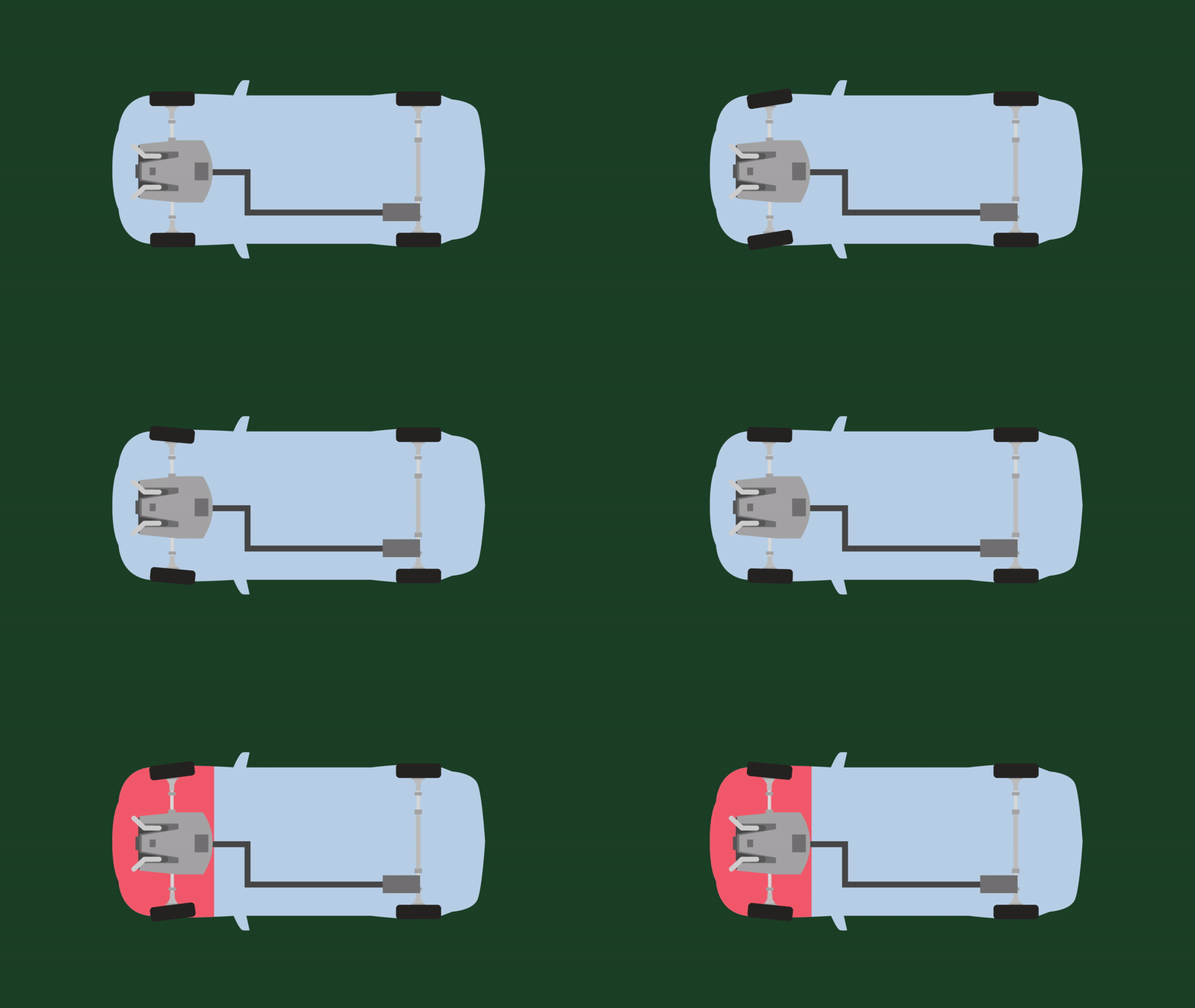
Wheeled vehicles use Ackermann steering. Turning the steering wheel moves the steering wheels left or right, as shown above, so they need some space. Tracked vehicles instead use skid steering: the left and right tracks move at different speeds.
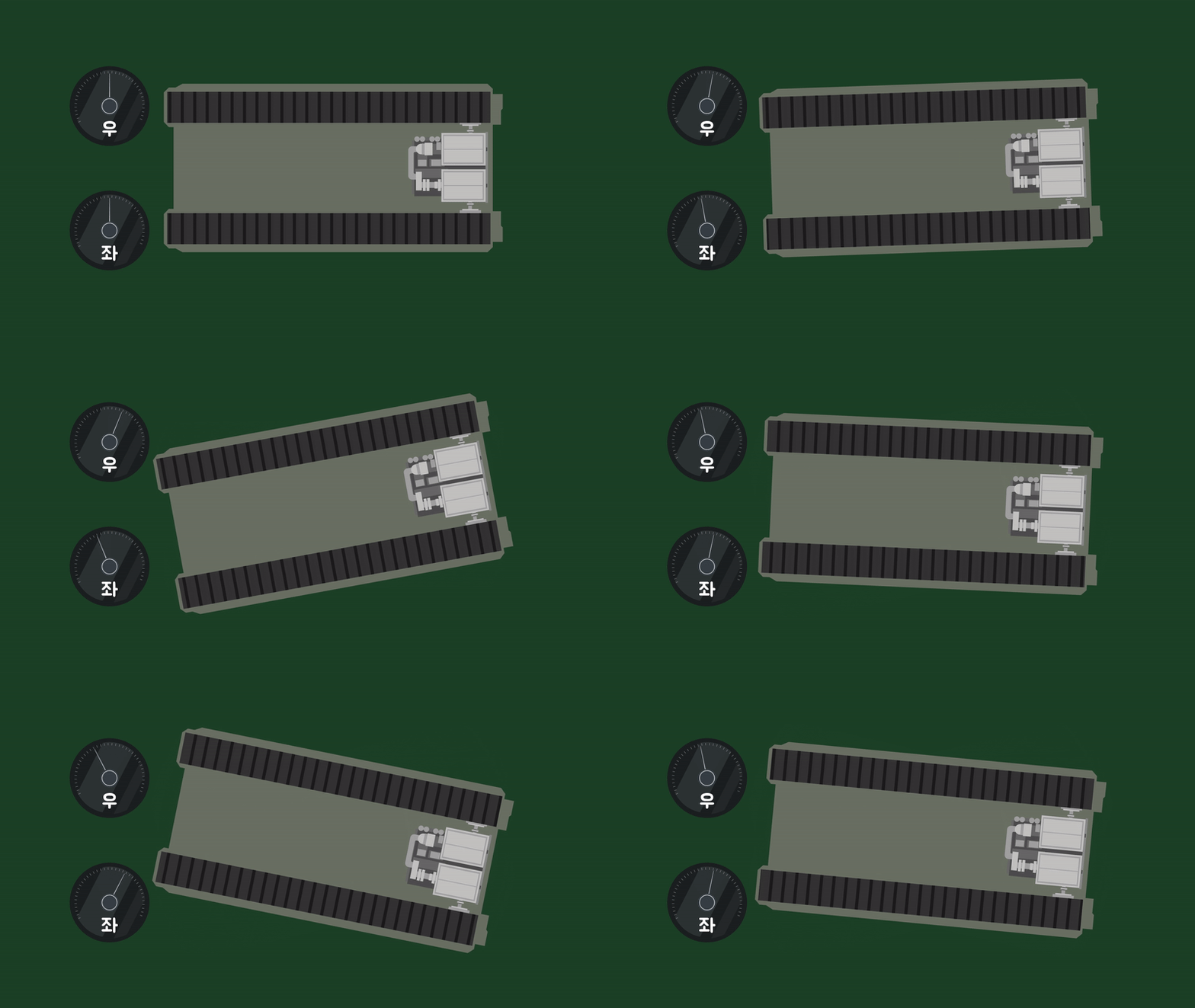 RL
RLAt a tank demonstration, you may see a vehicle make a pivot turn in place. If its left track runs backward and its right track runs forward at the same speed, the turning radius becomes zero, allowing a full 360-degree turn.
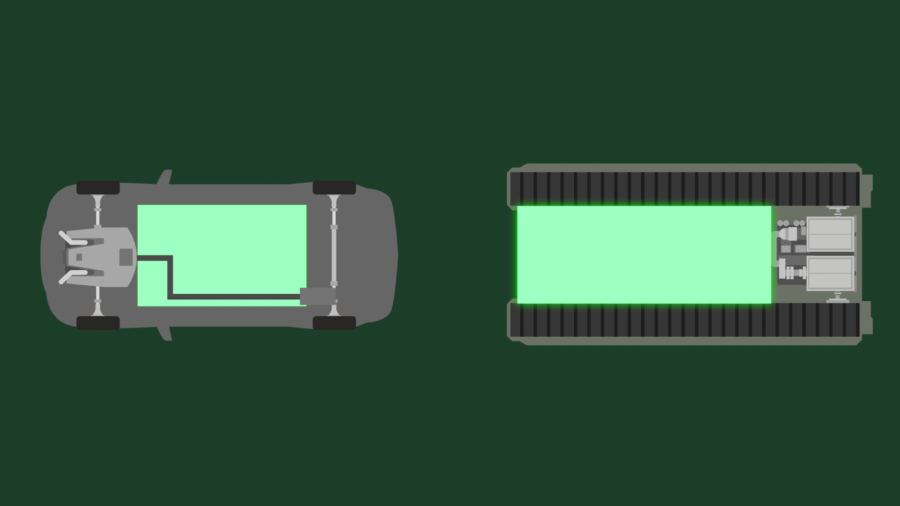
This steering method avoids the need for a separate internal steering arrangement, giving tracks an advantage in how space is used. That should help explain why tracked vehicles exist. Has that answered your question?
If tracks are so useful, why do cars have wheels?
The original article included readers’ replies to this follow-up question. On well-prepared asphalt away from rough terrain, tracks offer no advantage over rubber tires. They cost more, are harder to repair, consume more fuel, provide a worse ride, and are slower, noisier and poorer at cornering. Without a need to cross rough ground, there is little reason to use them.
Maintaining tracks takes considerable manpower. Their weight requires regular attention to track pins, including hammering them back into place. After traveling a certain distance, crews must get out to inspect them. Trucks also sometimes require tightening bolts, but tracks demand much more work. Once their rubber pads are worn down, they must be carried on a transporter, and their noise can be heard from far away. Heavy tracked vehicles also place a considerable burden on bridges.
Considering all these requirements, armies—including well-funded ones—do not put tracks on every vehicle. Wheeled and tracked vehicles coexist so that each type’s strengths can compensate for the other’s weaknesses.
Script contribution: a researcher developing ground combat vehicles
Copyright. 사물궁이 잡학지식. All rights reserved
More English articles · Read the original Korean article
Watch the original video below. For English subtitles, turn on captions (CC) and choose English (United States) in the player settings.