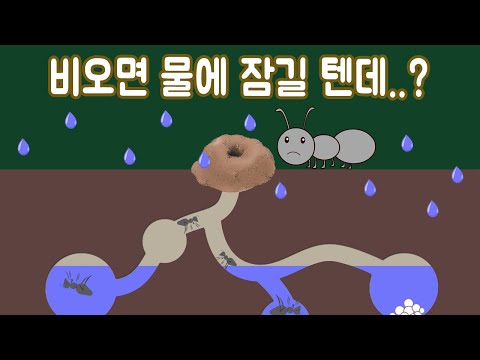
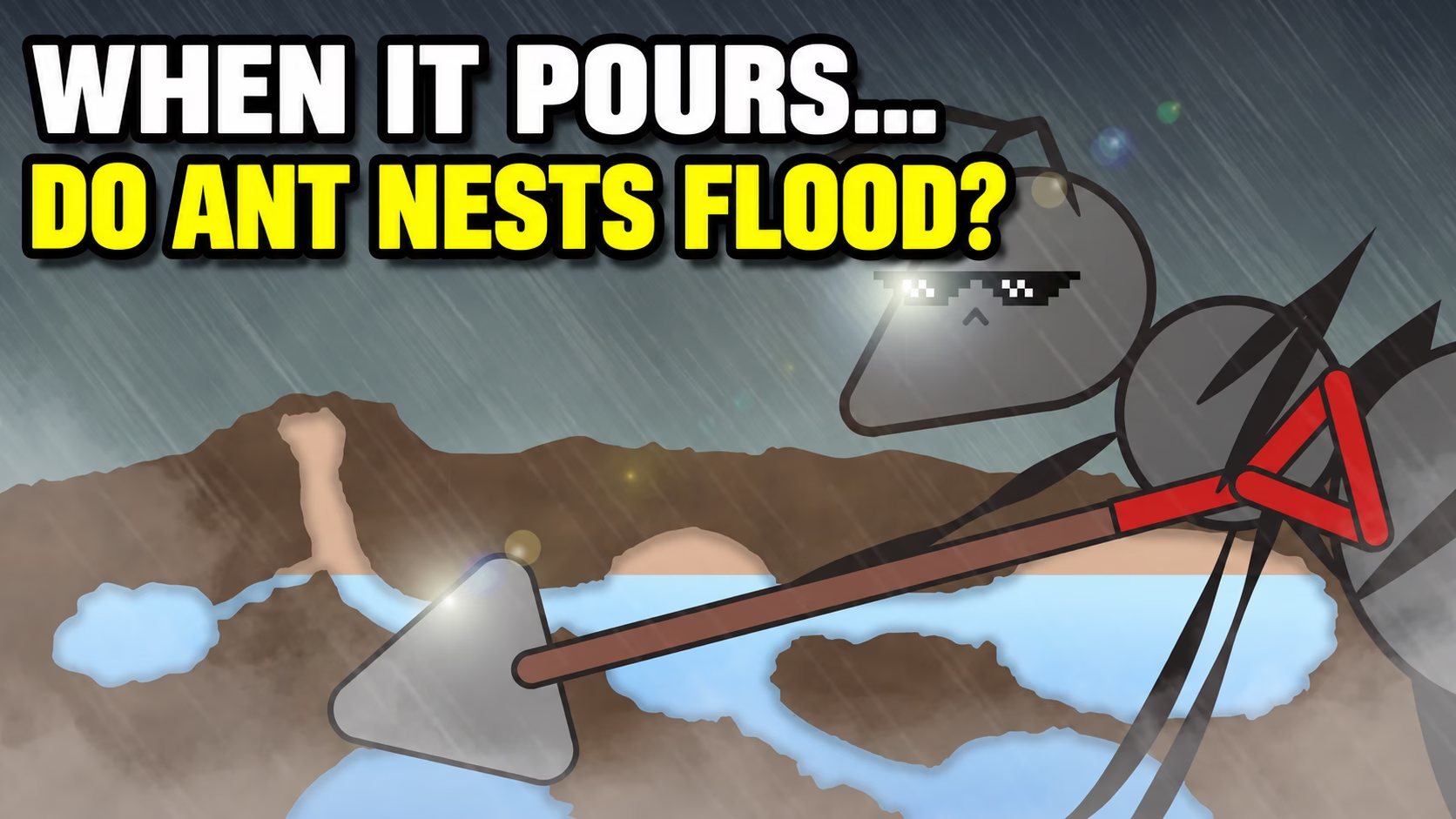
Ants are insects in the family Formicidae, within the order Hymenoptera. They are thought to have first appeared in the middle to late Cretaceous period of the Mesozoic era. Found throughout the world, ants live in colonies and build nests underground, in old trees, and in other places.
Ant colonies have a caste system, with queens, workers, males, and soldiers carrying out their assigned roles. Ants are also remarkable social insects that communicate through pheromones, sounds, and body movements.
Inside an ant nest: rooms with different roles
Ants live in spaces called ant nests. By digging tunnels underground, they create the spaces they need, forming surprisingly complex structures. They do not build just anywhere: they carefully choose a suitable place, such as underground, beneath a rock or tree, or inside a tree.
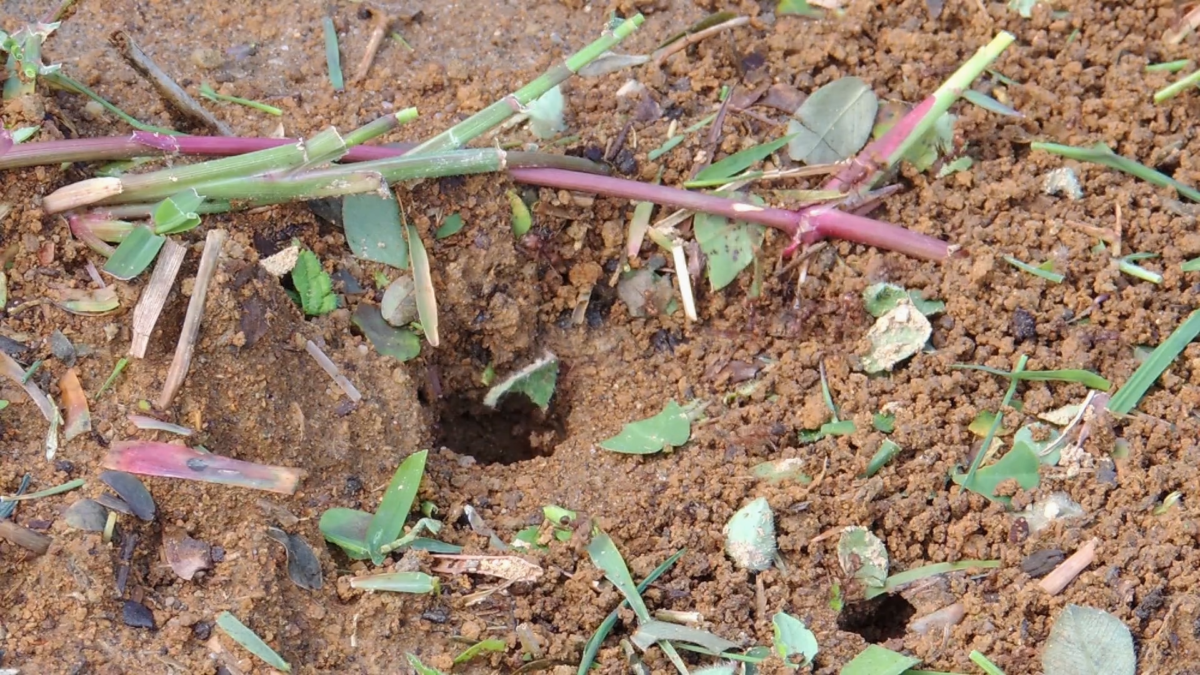
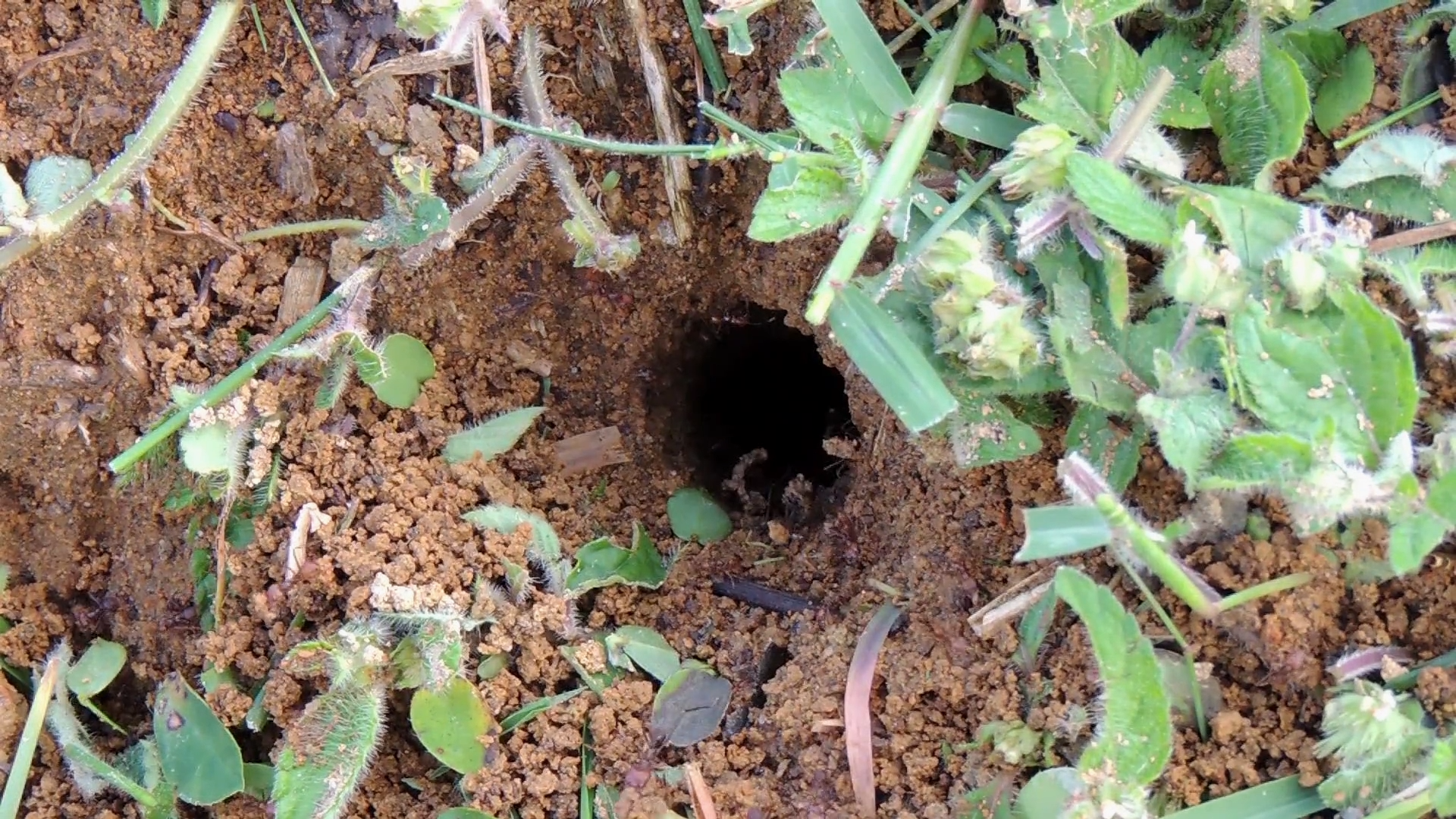
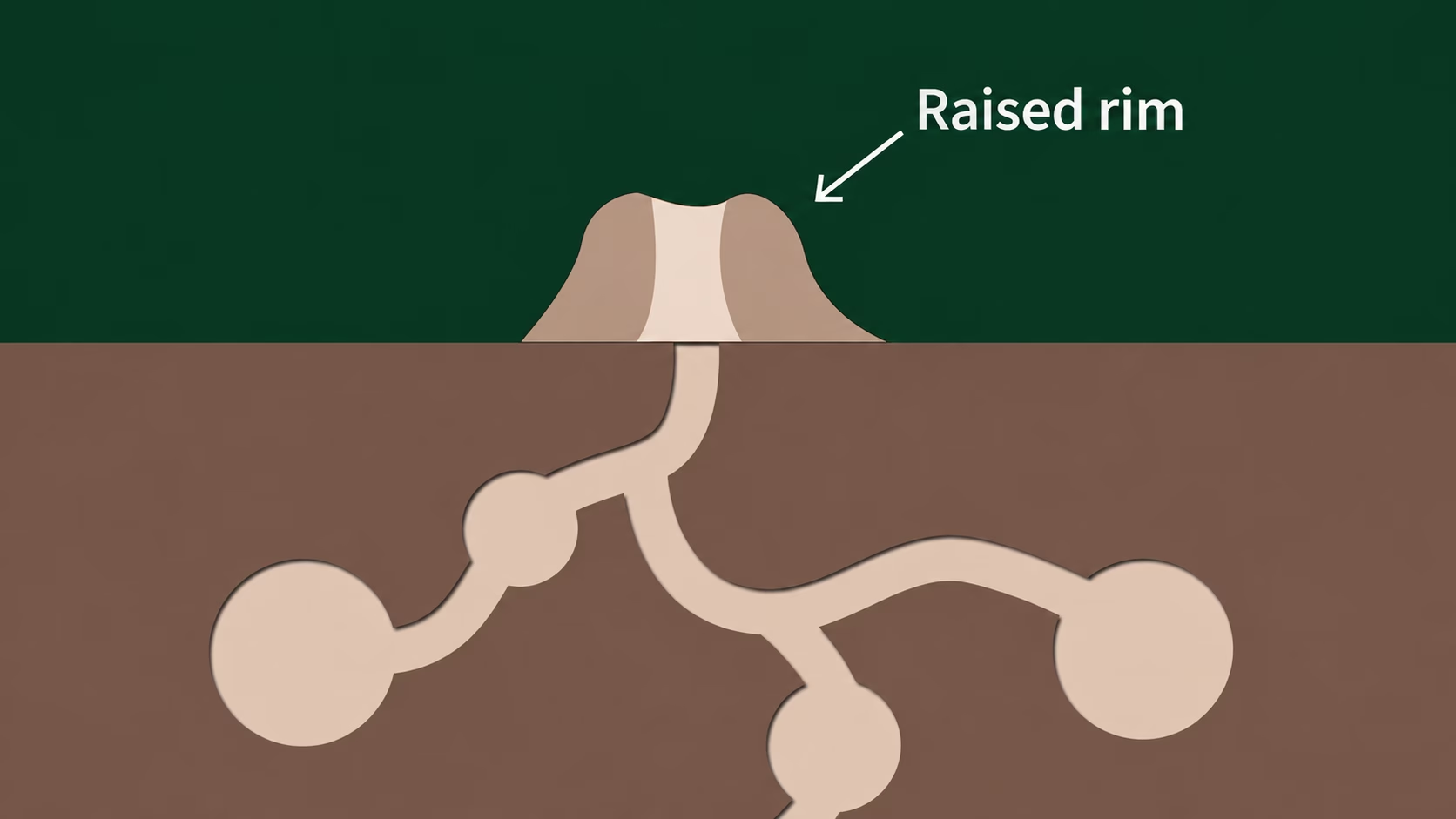
The holes in the photographs above are nest entrances, which ants use to come and go. The cross-section below shows how intricately the nest is connected. Think of the larger spaces as rooms and the narrow sections linking them as passageways.
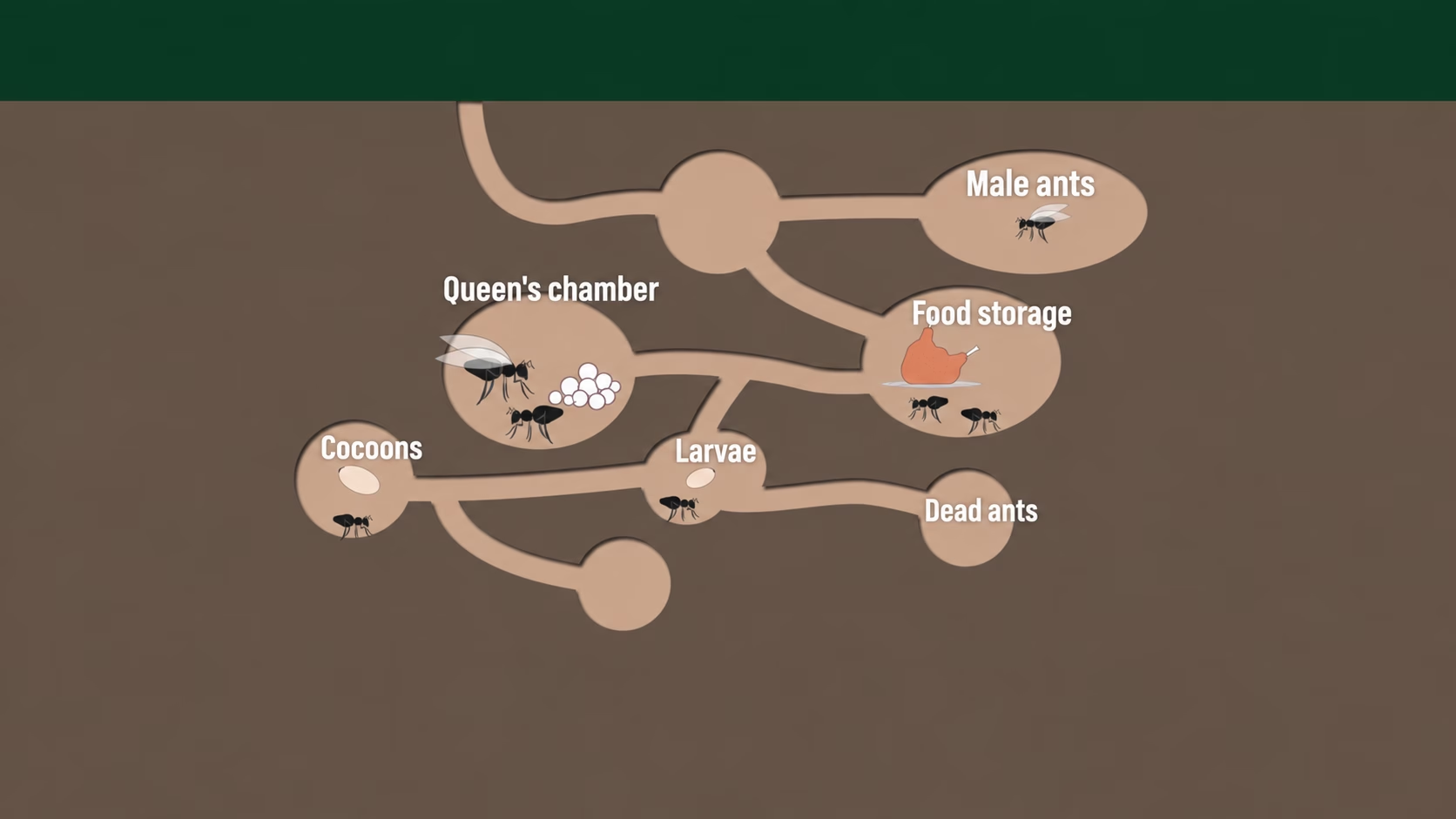
Each room has a purpose. There may be chambers for the queen, cocoons, larvae, food storage, males, and dead ants. In this way, ants divide up their rooms according to their functions, much as people do.
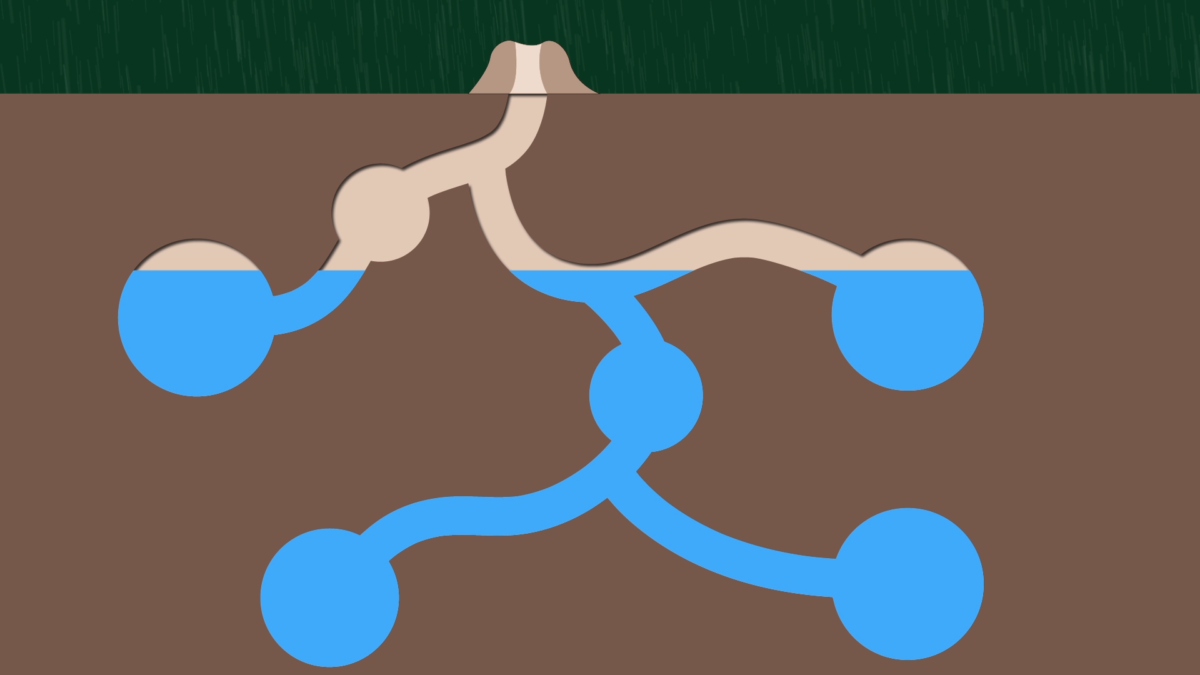
But that raises a question. The nest has an entrance hole with no door, leaving it directly connected to the outside. When it rains, wouldn’t rainwater enter through that hole and flood the nest?
Choosing a location and soil that reduce flooding
The fact that ants have survived so well suggests that they have their own ways of coping. As mentioned earlier, they do not build nests just anywhere. They choose places they judge to be safe even when it rains.
Still, unusually heavy rain can occur, so no site is guaranteed to be completely safe. To prepare for water entering the nest, ants use soil that absorbs water well. They also build their nests so that part of the structure can collapse when there is too much rain.
Moving away from water and repairing the nest
Since the nest is made of soil, however, it is difficult to keep water out completely. While rainwater is entering, ants dig new tunnels upward to escape it and move their eggs, larvae, and pupae to safer places. Once the rain stops, they repair the collapsed areas.
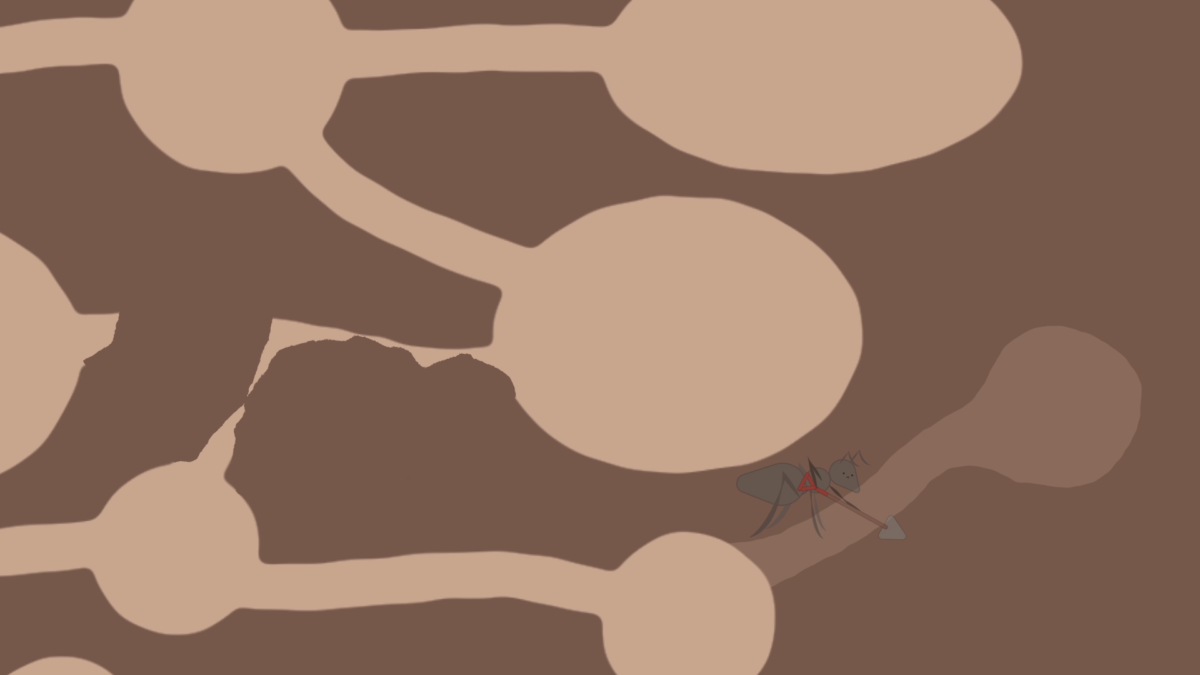
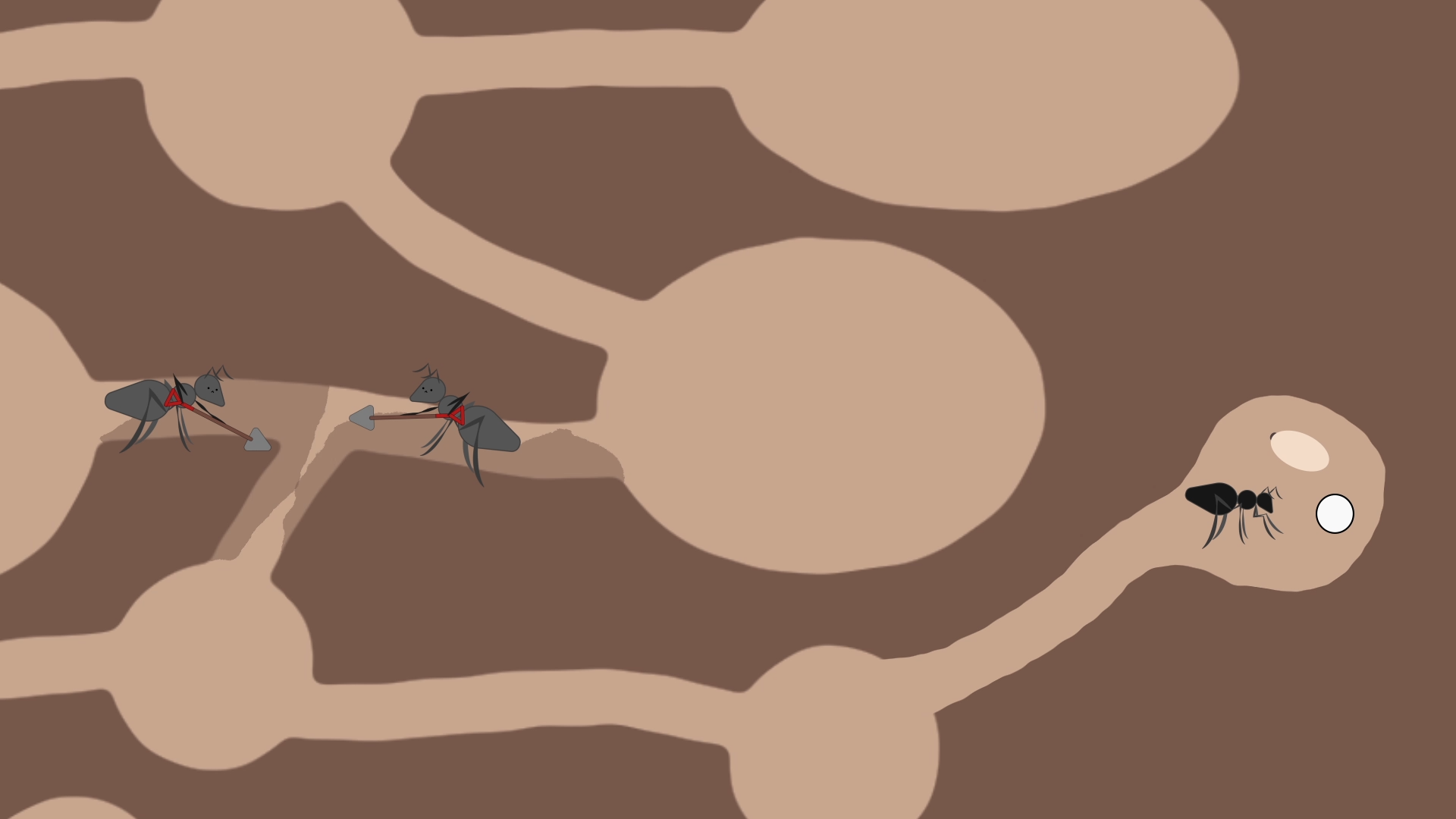
Above all, the entrance hole is small, so the amount of rainwater that can enter is limited. If you look closely, you can also see a slightly raised, wall-like rim around the entrance. When rain seems likely, ants make this rim higher than usual to prepare.
How ants sense and respond to approaching rain
That brings up another question: how do ants know that rain is coming? Ants breathe through numerous openings in their exoskeletons, which allows them to readily sense changes in atmospheric pressure. Because atmospheric pressure falls on rainy days, they can detect the change in advance.
Different ant species respond in different ways. If the situation seems hopeless, ants abandon their existing nest and move to build a new one. They can usually build a nest in a day or two, making this another option. Has that answered your curiosity?
Copyright. 사물궁이 잡학지식. All rights reserved
Read the original Korean article · More articles in English
Watch the original Samulgoongi video below. Turn on CC, then choose English under Settings → Subtitles/CC.